
Asthma
Asthma is a chronic respiratory condition that affects the airways in the lungs. It causes inflammation and narrowing of the airways, making it more difficult for air to move in and out. People with asthma may experience wheezing, coughing, chest tightness, and shortness of breath. Symptoms can vary over time and may become worse during an asthma attack. Read more
Showing 1–20 of 205 results
-
 Price range: $20.30 through $36.10 Select options This product has multiple variants. The options may be chosen on the product page
-
 Price range: $46.08 through $117.60 Select options This product has multiple variants. The options may be chosen on the product page
-
 Price range: $23.44 through $52.88 Select options This product has multiple variants. The options may be chosen on the product page
-
 Price range: $26.48 through $60.75 Select options This product has multiple variants. The options may be chosen on the product page
-
 Price range: $50.08 through $136.34 Select options This product has multiple variants. The options may be chosen on the product page
-

Asthma, Salmeterol + Fluticasone Propionate
Price range: $12.60 through $21.80 Select options This product has multiple variants. The options may be chosen on the product page -

inhaler, Salmeterol + Fluticasone Propionate
Price range: $55.04 through $131.06 Select options This product has multiple variants. The options may be chosen on the product page -

inhaler, Salmeterol + Fluticasone Propionate
Price range: $116.95 through $279.56 Select options This product has multiple variants. The options may be chosen on the product page -

Asthma, Salmeterol + Fluticasone Propionate
Price range: $96.80 through $232.88 Select options This product has multiple variants. The options may be chosen on the product page -
 Price range: $85.55 through $200.81 Select options This product has multiple variants. The options may be chosen on the product page
-
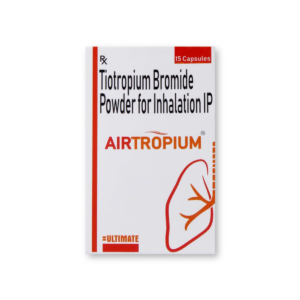 Price range: $19.64 through $48.89 Select options This product has multiple variants. The options may be chosen on the product page
-
 Price range: $13.78 through $35.07 Select options This product has multiple variants. The options may be chosen on the product page
-

inhaler, Salbutamol / Albuterol
Price range: $40.91 through $63.90 Select options This product has multiple variants. The options may be chosen on the product page -
Price range: $6.40 through $14.87 Select options This product has multiple variants. The options may be chosen on the product page
-
 Price range: $46.46 through $120.10 Select options This product has multiple variants. The options may be chosen on the product page
-
 Price range: $156.18 through $456.19 Select options This product has multiple variants. The options may be chosen on the product page
-
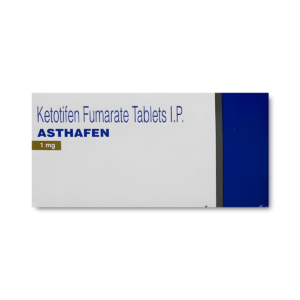 Price range: $22.31 through $40.48 Select options This product has multiple variants. The options may be chosen on the product page
-

Asthalin, inhaler, Salbutamol / Albuterol
Price range: $16.20 through $44.11 Select options This product has multiple variants. The options may be chosen on the product page -

Asthma, Salbutamol / Albuterol
Price range: $9.00 through $24.30 Select options This product has multiple variants. The options may be chosen on the product page -

Asthma, Salbutamol / Albuterol
Price range: $9.60 through $17.28 Select options This product has multiple variants. The options may be chosen on the product page
Showing 1–20 of 205 results
sthma treatment commonly includes inhaled corticosteroids, bronchodilators, combination inhalers, and other medicines selected according to symptom frequency, severity, and individual risk factors. Inhaled corticosteroid-containing treatment is central to managing most persistent asthma because it reduces airway inflammation and the risk of serious exacerbations.
Recognizing triggers, using inhalers correctly, following a written asthma action plan, and attending regular medical reviews can help improve asthma control.
What Happens During Asthma?
Asthma involves inflammation and increased sensitivity of the airways. When a person encounters certain triggers, the muscles surrounding the airways may tighten, the airway lining may swell, and mucus production may increase.
These changes narrow the air passages and make breathing more difficult. Symptoms may occur intermittently, and lung function can vary throughout the day or between attacks.
Common asthma symptoms include:
- Wheezing, a whistling sound when breathing.
- Shortness of breath.
- Chest tightness or pressure.
- Coughing, particularly at night or early in the morning.
- Symptoms that worsen during exercise, exposure to allergens, or respiratory infections.
- Difficulty completing normal activities during periods of poor control.
Not everyone experiences every symptom. Some people mainly have a persistent cough, while others experience sudden episodes of breathlessness.
Types of Asthma
1. Allergic Asthma
Allergic asthma is associated with sensitivity to substances such as pollen, dust mites, mold, or animal allergens. Exposure may trigger airway inflammation and breathing symptoms.
Management may include inhaled asthma medicines, reducing relevant allergen exposure, and treating associated allergic conditions when appropriate.
2. Non-Allergic Asthma
Non-allergic asthma can be triggered by factors such as respiratory infections, smoke, air pollution, cold air, strong odors, or stress. Symptoms may occur without a clear allergic trigger.
Treatment focuses on controlling airway inflammation, reducing exposure to relevant triggers, and using prescribed inhalers correctly.
3. Exercise-Induced Bronchoconstriction
Exercise-induced bronchoconstriction occurs when physical activity causes the airways to narrow. Symptoms may include coughing, wheezing, and breathlessness during or after exercise.
A healthcare professional may recommend an appropriate inhaler strategy and warm-up routine. People with asthma should not automatically avoid exercise; good asthma control often allows them to participate safely in physical activity.
4. Occupational Asthma
Occupational asthma develops or worsens due to substances encountered at work, such as chemical fumes, industrial dust, or certain biological materials.
Identifying the workplace trigger and reducing exposure are important. Continued exposure can worsen symptoms, so medical assessment and appropriate workplace adjustments may be necessary.
5. Severe Asthma
Severe asthma remains uncontrolled despite optimized treatment, correct inhaler technique, good adherence, and management of contributing conditions, or requires high-intensity treatment to maintain control.
Specialist assessment may identify additional treatment options, including biologic medicines for selected patients.
Common Causes and Triggers of Asthma
The exact causes of asthma are complex. Genetic susceptibility, immune responses, environmental exposures, and other factors can contribute.
Common triggers include:
- Pollen, dust mites, mold, and animal allergens.
- Viral respiratory infections.
- Cigarette smoke and secondhand smoke.
- Air pollution and chemical fumes.
- Cold or dry air.
- Physical activity in susceptible individuals.
- Strong fragrances or irritants.
- Workplace dust or chemicals.
- Certain medicines, including aspirin or other NSAIDs in susceptible people.
- Stress and strong emotions.
Triggers vary from person to person. Identifying relevant patterns can help reduce exposure, but avoiding every possible trigger is neither realistic nor necessary for everyone.
How Is Asthma Diagnosed?
Asthma diagnosis involves assessing symptoms and, when possible, confirming variable airflow limitation using breathing tests.
Medical History and Physical Examination
A healthcare professional may ask about wheezing, coughing, breathlessness, nighttime symptoms, family history, allergies, and potential triggers.
A physical examination may identify wheezing or other respiratory findings, although a normal examination does not rule out asthma.
Spirometry
Spirometry measures how much air a person can exhale and how quickly it can be expelled. The test may be repeated after a bronchodilator to check whether airflow improves.
Evidence of variable airflow obstruction can support an asthma diagnosis.
Peak Expiratory Flow Monitoring
A peak flow meter measures how quickly air can be expelled from the lungs. Measurements taken over time may help identify changes in airflow, particularly when symptoms vary.
Additional Tests
Depending on the clinical situation, additional investigations may include allergy testing, fractional exhaled nitric oxide (FeNO), or other tests to assess airway inflammation and exclude alternative diagnoses.
Asthma symptoms can resemble those of other conditions, so testing helps guide appropriate treatment.
Types of Asthma Medicines
Asthma medicines are generally divided into reliever treatments, anti-inflammatory controller treatments, and additional therapies for selected patients. The appropriate regimen depends on age, symptom pattern, exacerbation risk, lung function, and local treatment guidance.
1. Inhaled Corticosteroids (ICS)
Examples include:
- Budesonide.
- Beclometasone.
- Fluticasone.
- Ciclesonide.
Inhaled corticosteroids reduce inflammation inside the airways, making them less sensitive to triggers and lowering the risk of asthma attacks.
They are a cornerstone of asthma management. Depending on the prescribed regimen, an inhaled corticosteroid may be used regularly or as part of a combination inhaler that also provides bronchodilation.
Possible side effects include hoarseness, throat irritation, and oral thrush. Using the inhaler correctly, rinsing the mouth after use, and using a spacer with compatible pressurized metered-dose inhalers can help reduce these effects.
Patients should not stop prescribed controller treatment simply because symptoms improve without discussing the plan with their healthcare professional.
2. Short-Acting Beta2-Agonists (SABAs)
Examples include salbutamol, also known as albuterol in some countries, and terbutaline.
These medicines relax the muscles surrounding the airways and can provide rapid relief of bronchoconstriction.
Possible side effects include tremor, palpitations, nervousness, and a temporary increase in heart rate.
Frequent reliance on a short-acting bronchodilator can indicate poor asthma control. SABA-only treatment is not recommended for most people with asthma under current international guidance; an inhaled corticosteroid-containing strategy is generally needed to address the underlying inflammation and reduce risk.
3. Long-Acting Beta2-Agonists (LABAs)
Examples include formoterol and salmeterol.
LABAs relax airway muscles for a longer period than short-acting bronchodilators. They are used in asthma as part of an appropriate controller regimen.
LABAs should not be used alone for asthma. They must be combined with inhaled corticosteroid treatment because bronchodilation alone does not adequately treat airway inflammation.
Formoterol has a rapid onset of action and may be used in certain inhaled corticosteroid-formoterol regimens for both maintenance and symptom relief. This approach is not interchangeable with every LABA-containing inhaler; the specific product and prescribed action plan matter.
4. Combination Inhalers
Combination inhalers contain two medicines, commonly an inhaled corticosteroid and a LABA.
Examples include:
- Budesonide/formoterol.
- Beclometasone/formoterol.
- Fluticasone/salmeterol.
- Fluticasone/vilanterol.
The corticosteroid controls airway inflammation, while the LABA relaxes airway muscles.
Some corticosteroid-formoterol inhalers can be prescribed for both regular maintenance and as-needed relief under a maintenance-and-reliever therapy plan. Other combination inhalers are intended for maintenance only and must not be assumed to provide rapid rescue relief.
Possible side effects depend on the ingredients and may include oral thrush, hoarseness, tremor, or palpitations.
5. Leukotriene Receptor Antagonists
Montelukast is an example of a leukotriene receptor antagonist.
It blocks the effects of leukotrienes, inflammatory chemicals that contribute to airway narrowing, swelling, and mucus production. It may be used as an additional treatment for selected people with asthma or associated allergic symptoms.
Montelukast is generally less effective than inhaled corticosteroids for preventing asthma exacerbations when used as the sole controller. It also carries an important warning about possible serious mood and behavioral changes, including suicidal thoughts or actions. Patients and caregivers should discuss these risks with a healthcare professional and seek prompt advice if concerning changes occur.
6. Long-Acting Muscarinic Antagonists (LAMAs)
Tiotropium is an example of a long-acting muscarinic antagonist used as an add-on treatment for selected patients with asthma that remains uncontrolled.
It blocks muscarinic receptors in airway smooth muscle, helping reduce bronchoconstriction.
Possible side effects include dry mouth and urinary difficulties in susceptible individuals. It is not intended to replace an appropriate inhaled corticosteroid-containing asthma regimen.
7. Oral Corticosteroids
Examples include prednisolone and prednisone.
Oral corticosteroids reduce significant airway inflammation and may be prescribed for selected severe exacerbations or for specialist-managed cases of difficult-to-control asthma.
Repeated or prolonged use can cause substantial adverse effects, including weight gain, high blood sugar, high blood pressure, mood changes, osteoporosis, and increased infection risk.
They should be taken only according to a clinician’s instructions. People taking long-term oral corticosteroids should not stop them abruptly without medical guidance.
8. Biologic Medicines
Biologic therapies target specific immune pathways involved in certain types of severe asthma. They may be considered when symptoms and exacerbations remain problematic despite optimized standard treatment.
Examples include:
- Omalizumab, which targets immunoglobulin E (IgE) in eligible allergic asthma.
- Mepolizumab and reslizumab, which target interleukin-5 (IL-5).
- Benralizumab, which targets the IL-5 receptor.
- Dupilumab, which blocks IL-4 and IL-13 signaling.
- Tezepelumab, which targets thymic stromal lymphopoietin (TSLP).
These treatments are usually prescribed by specialists after assessing asthma type, biomarkers, exacerbation history, and prior treatment response.
Possible side effects vary by medicine and may include injection-site reactions or hypersensitivity reactions. Biologics do not replace routine controller inhalers unless a specialist provides a specific treatment plan.
Comparison of Common Asthma Medicines
| Medicine class | Main purpose | Important considerations |
|---|---|---|
| Inhaled corticosteroids | Reduce airway inflammation and prevent exacerbations | Use as prescribed; rinse the mouth after use |
| Short-acting bronchodilators | Rapid relief of bronchoconstriction | Frequent use may signal poor control |
| ICS/LABA combination inhalers | Combine anti-inflammatory treatment with prolonged bronchodilation | The specific inhaler determines whether it can be used for relief |
| Leukotriene receptor antagonists | Additional control for selected patients | Montelukast has important mood and behavioral warnings |
| LAMAs | Add-on bronchodilation in selected cases | Usually used alongside ICS-containing treatment |
| Oral corticosteroids | Treat selected severe exacerbations or difficult asthma | Repeated or long-term use carries significant risks |
| Biologic medicines | Target specific pathways in eligible severe asthma | Require specialist selection and monitoring |
How Do Asthma Medicines Work?
Different asthma medicines address different aspects of the condition.
- Inhaled corticosteroids: Reduce inflammation and airway sensitivity.
- Short-acting beta2-agonists: Relax airway muscles for rapid bronchodilation.
- Long-acting beta2-agonists: Provide longer-lasting airway muscle relaxation.
- Combination inhalers: Treat inflammation and bronchoconstriction together.
- Leukotriene receptor antagonists: Block inflammatory signaling by leukotrienes.
- LAMAs: Reduce cholinergic airway constriction.
- Oral corticosteroids: Suppress more widespread inflammation during selected severe episodes.
- Biologic medicines: Target specific immune pathways associated with particular asthma phenotypes.
Using the right combination helps control symptoms while reducing the risk of future exacerbations.
Inhaler Technique and Asthma Action Plans
Correct inhaler use is essential because medicine must reach the lungs to work effectively.
General recommendations include:
- Follow the specific instructions for the inhaler device.
- Ask a healthcare professional or pharmacist to check technique.
- Use a spacer with a compatible pressurized metered-dose inhaler when recommended.
- Clean and maintain inhalers according to the manufacturer’s instructions.
- Track doses and replace devices as instructed.
- Follow a written asthma action plan that explains daily treatment, what to do when symptoms worsen, and when to seek urgent care.
Different inhalers have different techniques. For example, some require a slow, coordinated inhalation, while dry-powder devices generally require a sufficiently strong inhalation. Do not assume that all devices are used in the same way.
Lifestyle and Asthma Management
Lifestyle measures can support asthma control but should not replace prescribed treatment.
Reduce Exposure to Relevant Triggers
Identify triggers that reliably worsen symptoms. Depending on the individual, useful steps may include avoiding tobacco smoke, improving ventilation, controlling indoor dampness and mold, or reducing exposure to specific occupational irritants.
Avoid unnecessary restrictions based on triggers that do not affect the person.
Maintain Physical Activity
Regular physical activity supports cardiovascular health and overall well-being. Asthma should not automatically prevent participation in exercise.
If exercise causes symptoms, discuss treatment and prevention strategies with a healthcare professional rather than avoiding activity altogether.
Manage Allergies and Related Conditions
Allergic rhinitis, sinus problems, obesity, reflux, and sleep apnea may contribute to symptoms or complicate asthma management. Identifying and treating relevant conditions can improve overall control.
Avoid Smoking and Vaping
Tobacco smoke, secondhand smoke, and vaping aerosols can irritate the airways and worsen respiratory symptoms. Avoiding these exposures is an important part of asthma care.
Attend Regular Reviews
Regular assessment helps confirm that symptoms are controlled, inhaler technique is correct, and treatment remains appropriate. Reviews are especially important after a severe attack or a change in symptoms.
Asthma Attacks: Warning Signs and Emergency Care
An asthma attack occurs when symptoms become significantly worse and airflow through the lungs becomes more restricted.
Warning signs may include:
- Increasing wheezing or breathlessness.
- Persistent coughing or chest tightness.
- Difficulty speaking in full sentences.
- Reduced response to the prescribed reliever treatment.
- Increasing need for symptom-relief medicine.
- Reduced peak flow, when monitored according to an action plan.
Seek emergency medical care immediately if a person is struggling to breathe, cannot speak in full sentences, develops blue or gray lips, becomes confused or drowsy, or has symptoms that are rapidly worsening or not responding to their prescribed reliever plan.
Follow the person’s asthma action plan while arranging emergency assistance. Do not delay urgent care while trying unprescribed medicines or home remedies.
Myths and Facts About Asthma
Myth 1: Asthma is only a childhood condition.
Fact: Asthma can begin in childhood or adulthood and may continue throughout life. Symptoms can also change over time.
Myth 2: People with asthma should avoid exercise.
Fact: Most people with well-controlled asthma can exercise. Appropriate treatment and an individualized plan can help manage exercise-related symptoms.
Myth 3: Inhalers are addictive.
Fact: Asthma inhalers are not addictive. They contain medicines designed to control airway inflammation or relieve bronchoconstriction. Using a reliever frequently may indicate inadequate asthma control rather than dependence.
Myth 4: Feeling better means controller treatment is no longer needed.
Fact: Asthma symptoms can improve while airway inflammation remains. Stopping prescribed controller treatment without medical guidance may increase the risk of an exacerbation.
Myth 5: All asthma medicines work immediately.
Fact: Some bronchodilators provide rapid relief, while inhaled corticosteroids and most preventive treatments work through ongoing control of inflammation and may not provide immediate symptom relief.
Myth 6: Natural remedies can replace asthma medication.
Fact: No home remedy or supplement has been shown to replace evidence-based asthma treatment. Delaying prescribed treatment during worsening symptoms can be dangerous.
Frequently Asked Questions About Asthma
What is the most commonly used medicine for asthma?
Inhaled corticosteroids are central to controlling airway inflammation and reducing exacerbation risk. Many patients use an inhaled corticosteroid-containing regimen, sometimes combined with a bronchodilator. The appropriate treatment depends on age, symptoms, and individual risk.
Can asthma be cured permanently?
There is currently no universal cure for asthma. Many people achieve good symptom control with appropriate treatment, trigger management, and regular review. Some children experience long periods without symptoms, but asthma can recur.
What is the difference between a reliever and a controller inhaler?
A reliever is intended to ease symptoms quickly according to the prescribed plan. A controller reduces airway inflammation and helps prevent symptoms and attacks over time. Some ICS-formoterol inhalers can serve both roles when specifically prescribed for that purpose.
Can people with asthma play sports?
Yes. Most people with controlled asthma can participate in sports and exercise. If activity triggers symptoms, a healthcare professional can review asthma control and recommend suitable preventive measures.
Why do asthma symptoms worsen at night?
Nighttime symptoms may be associated with normal changes in airway function, allergen exposure, respiratory infections, or poorly controlled inflammation. Repeated nighttime symptoms are a reason to review treatment.
Are antibiotics used to treat asthma?
Antibiotics do not treat asthma itself because asthma is not usually caused by a bacterial infection. They may be prescribed when a separate bacterial infection is diagnosed or strongly suspected.
When should someone with asthma see a specialist?
Specialist assessment may be appropriate when symptoms remain uncontrolled despite prescribed treatment, attacks occur repeatedly, diagnosis is uncertain, or advanced treatments such as biologics are being considered.