
Vardenafil
Vardenafil is a prescription medicine used to treat erectile dysfunction (ED) in adult men. It belongs to a class of medicines called phosphodiesterase type 5 (PDE5) inhibitors. Vardenafil helps increase blood flow to the penis during sexual stimulation, making it easier to achieve and maintain an erection. Read more
Showing 1–20 of 39 results
-
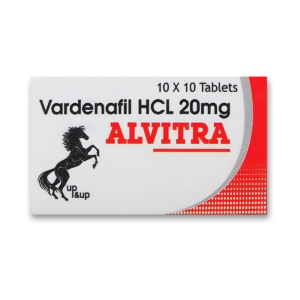 Price range: $43.20 through $120.53 Select options This product has multiple variants. The options may be chosen on the product page
-
 Price range: $50.40 through $140.62 Select options This product has multiple variants. The options may be chosen on the product page
-
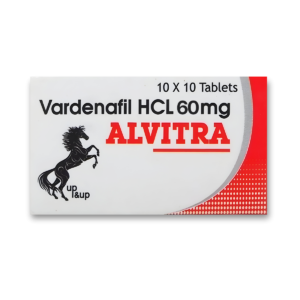 Price range: $50.40 through $140.62 Select options This product has multiple variants. The options may be chosen on the product page
-
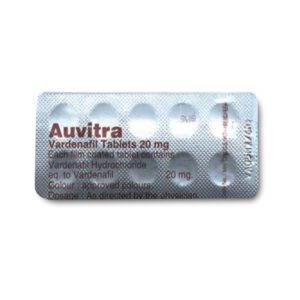 Price range: $38.00 through $106.02 Select options This product has multiple variants. The options may be chosen on the product page
-
 Price range: $17.23 through $45.36 Select options This product has multiple variants. The options may be chosen on the product page
-
Price range: $80.77 through $218.40 Select options This product has multiple variants. The options may be chosen on the product page
-

Fortune Healthcare, Vardenafil, Vardenafil HCL
Price range: $34.20 through $99.36 Select options This product has multiple variants. The options may be chosen on the product page -

Fortune Healthcare, Vardenafil, Vardenafil HCL
Price range: $127.11 through $278.88 Select options This product has multiple variants. The options may be chosen on the product page -

Fortune Healthcare, Vardenafil, Vardenafil HCL
Price range: $99.75 through $211.68 Select options This product has multiple variants. The options may be chosen on the product page -
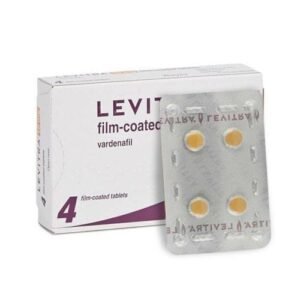
Bayer Schering Pharma, Levitra, Vardenafil, Vardenafil HCL
Price range: $38.00 through $75.84 Select options This product has multiple variants. The options may be chosen on the product page -
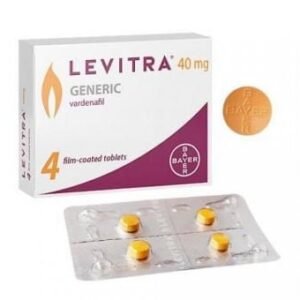
Bayer Schering Pharma, Levitra, Vardenafil, Vardenafil HCL
Price range: $38.00 through $75.84 Select options This product has multiple variants. The options may be chosen on the product page -

Bayer Schering Pharma, Levitra, Vardenafil, Vardenafil HCL
Price range: $42.75 through $96.00 Select options This product has multiple variants. The options may be chosen on the product page -
 Price range: $40.80 through $108.94 Select options This product has multiple variants. The options may be chosen on the product page
-
Levitra, Vardenafil, Vardenafil HCL
Price range: $28.50 through $51.84 Select options This product has multiple variants. The options may be chosen on the product page -
Levitra, Vardenafil, Vardenafil HCL
Price range: $38.00 through $75.84 Select options This product has multiple variants. The options may be chosen on the product page -
Levitra, Vardenafil, Vardenafil HCL
Price range: $56.43 through $152.36 Select options This product has multiple variants. The options may be chosen on the product page -
 Price range: $37.50 through $100.13 Select options This product has multiple variants. The options may be chosen on the product page
-
Price range: $19.32 through $55.80 Select options This product has multiple variants. The options may be chosen on the product page
-
Price range: $37.81 through $101.84 Select options This product has multiple variants. The options may be chosen on the product page
-
 Price range: $58.94 through $133.67 Select options This product has multiple variants. The options may be chosen on the product page
Showing 1–20 of 39 results
The medicine is available in different strengths and formulations, depending on the product and market. Its suitability depends on an individual’s health, other medications, and response to treatment. Vardenafil does not increase sexual desire, cure every underlying cause of erectile dysfunction, or protect against sexually transmitted infections.
What Is Vardenafil?
Vardenafil is an oral medicine prescribed to help manage erectile dysfunction, a condition in which a man has difficulty achieving or maintaining an erection suitable for sexual activity.
It works by supporting the natural processes involved in an erection. Healthcare professionals may consider vardenafil when erectile dysfunction affects sexual function and the medicine is appropriate for the patient’s medical history.
Vardenafil is sold under brand names such as Levitra and, in some markets, other brand names. Availability and approved formulations vary by country. Always verify the active ingredient, strength, and product information rather than relying on tablet colour or brand name alone.
What Is Vardenafil Used For?
Vardenafil is primarily used for:
-
Erectile dysfunction: Helps improve the ability to achieve and maintain an erection during sexual stimulation.
-
Sexual function support: May help some men experience more reliable erections during sexual activity.
-
Management of persistent erection difficulties: May be considered after a healthcare professional evaluates possible contributing factors.
Vardenafil is not a treatment for low sexual desire, infertility, or premature ejaculation as a primary indication. It also does not permanently cure erectile dysfunction. Persistent symptoms may be associated with diabetes, cardiovascular disease, hormonal problems, stress, or other medical conditions that require assessment.
How Does Vardenafil Work?
Vardenafil blocks the PDE5 enzyme, which breaks down a chemical messenger called cyclic guanosine monophosphate (cGMP).
During sexual stimulation, the body releases nitric oxide in erectile tissue. This increases cGMP levels, relaxing smooth muscle and allowing more blood to flow into the penis. Vardenafil helps maintain this process, supporting an erection when sexual stimulation occurs.
The medicine does not independently trigger sexual arousal. Its effect depends on the body’s natural response to stimulation.
How Long Does Vardenafil Take to Work?
Vardenafil commonly begins working within approximately 30–60 minutes, although the timing varies between individuals and products.
Several factors can influence its effect:
-
Food intake: A high-fat meal can delay absorption of some vardenafil formulations.
-
Individual response: Age, metabolism, and general health can affect the medicine’s onset and effectiveness.
-
Sexual stimulation: Stimulation is necessary for the medicine to support an erection.
-
Other medications: Certain medicines can increase vardenafil levels or cause potentially dangerous interactions.
Its effects may last for around four to five hours in some people, but the duration varies. This does not mean an erection should last for the entire period.
An erection lasting four hours or longer requires emergency medical attention.
For many adults, the usual starting dose is 10 mg taken before sexual activity. A prescriber may adjust the dose based on effectiveness, tolerability, age, medical conditions, and interacting medicines. The maximum recommended dose for many standard tablet formulations is 20 mg, taken no more than once daily.
These figures are general information, not a personal dosing recommendation. Different formulations may have different instructions, and some patients need lower doses or should not use vardenafil at all.
How to Take Vardenafil Safely
Follow the instructions provided by your healthcare professional and the product label.
-
Take the prescribed dose with water.
-
For erectile dysfunction, take it at the recommended time before sexual activity, often about 30–60 minutes beforehand.
-
Do not take more than the prescribed amount.
-
Do not combine vardenafil with other erectile dysfunction medicines unless specifically directed by a specialist.
-
Tell your healthcare professional about all prescription medicines, non-prescription products, and supplements you use.
-
If the medicine does not work as expected, seek advice instead of increasing the dose yourself.
Do not use another person’s prescription or take tablets from an unverified source.
Benefits of Vardenafil
When prescribed appropriately, vardenafil may offer several benefits for men with erectile dysfunction.
-
Helps improve the ability to achieve an erection during sexual stimulation.
-
May help maintain an erection for sexual activity.
-
Provides an established treatment option for erectile dysfunction.
-
Offers an alternative for patients who may not respond well to another treatment.
-
May improve sexual confidence and satisfaction for some individuals.
The results vary. Vardenafil may not be effective for everyone, and it does not necessarily address the underlying cause of erectile dysfunction. A healthcare professional can help determine whether a different treatment or further evaluation is needed.
Possible Side Effects of Vardenafil
Like other medicines, vardenafil can cause side effects. Commonly reported effects include:
-
Headache.
-
Facial flushing.
-
Stuffy or runny nose.
-
Indigestion.
-
Dizziness.
-
Nausea.
These effects may be mild and temporary, but they can vary from person to person. Contact a healthcare professional if symptoms persist, become severe, or interfere with daily activities.
Serious Side Effects
Although less common, serious reactions can occur.
Seek emergency medical care if you experience:
-
An erection lasting four hours or longer: This may cause permanent damage if not treated promptly.
-
Sudden vision loss: This requires urgent medical evaluation.
-
Sudden hearing loss: Seek immediate medical attention.
-
Chest pain, fainting, or severe dizziness: These may indicate a serious cardiovascular problem.
-
A severe allergic reaction: Symptoms may include swelling of the face or throat and difficulty breathing.
If chest pain occurs after taking vardenafil, do not take nitrates to treat it. Tell emergency medical personnel that you have taken vardenafil and when you took it.
Who Should Avoid Vardenafil or Seek Medical Advice?
Vardenafil is not suitable for everyone. A healthcare professional should review your medical history before prescribing it, particularly if you:
-
Take nitrate medicines such as nitroglycerin or isosorbide.
-
Use recreational nitrites, sometimes called “poppers.”
-
Take riociguat, a medicine used for certain forms of pulmonary hypertension.
-
Have significant heart disease or have been advised to avoid sexual activity for medical reasons.
-
Have low blood pressure or uncontrolled high blood pressure.
-
Have certain inherited heart rhythm conditions, including congenital long-QT syndrome.
-
Have serious liver or kidney problems.
-
Take medicines that affect the QT interval or significantly alter vardenafil levels.
Vardenafil must not be combined with nitrates or riociguat because the combination can cause a dangerous drop in blood pressure. Certain heart rhythm conditions and interacting medicines may also make it unsuitable.
Medicines That May Interact With Vardenafil
Vardenafil can interact with medicines that affect blood pressure, heart rhythm, or the way the body processes the drug.
-
Nitrates: The combination is contraindicated because it can cause a severe drop in blood pressure.
-
Riociguat: Must not be used together with vardenafil.
-
Alpha-blockers: May increase the risk of dizziness or fainting due to low blood pressure.
-
Certain antifungal medicines: Medicines such as ketoconazole may increase vardenafil levels.
-
Some antibiotics: Certain medicines, including clarithromycin, may increase exposure to vardenafil.
-
Some HIV medicines: Certain antiviral medicines can affect vardenafil metabolism.
-
Other erectile dysfunction medicines: Combining PDE5 inhibitors can increase the risk of adverse effects and should be avoided unless specifically directed by a specialist.
Provide your prescriber or pharmacist with a complete list of your medicines before starting treatment.
Vardenafil and Lifestyle Factors
Lifestyle factors can contribute to erectile dysfunction and influence overall sexual health. Alongside appropriate medical care, the following habits may help:
-
Exercise regularly according to your health and fitness level.
-
Maintain a balanced diet.
-
Manage diabetes, high blood pressure, and cholesterol.
-
Avoid smoking.
-
Limit excessive alcohol consumption.
-
Maintain a healthy weight.
-
Address stress, anxiety, or relationship concerns when relevant.
-
Maintain regular medical check-ups when you have ongoing health conditions.
Persistent erectile difficulties can sometimes be an early sign of cardiovascular or metabolic disease. A medical evaluation may help identify and address underlying causes.
Myths and Facts About Vardenafil
Myth: Vardenafil automatically causes an erection.
Fact: Sexual stimulation is necessary for vardenafil to support the natural erection process.
Myth: A higher dose always produces better results.
Fact: Higher doses can increase side effects and are not necessarily more effective for every patient. Use only the prescribed dose.
Myth: Vardenafil increases sexual desire.
Fact: Vardenafil improves the blood-flow response involved in an erection. It is not a medicine designed to increase libido.
Myth: Vardenafil is safe with all heart medicines.
Fact: It must not be combined with nitrates or riociguat and may interact with other cardiovascular medicines.
Myth: Vardenafil permanently cures erectile dysfunction.
Fact: It helps manage symptoms while its effects are active but does not necessarily resolve the underlying cause.
Myth: Vardenafil and all other erectile dysfunction medicines are interchangeable.
Fact: These medicines differ in their dosing, duration, formulations, interactions, and suitability for individual patients.
Frequently Asked Questions
1. What is vardenafil used for?
Vardenafil is primarily used to treat erectile dysfunction in adult men. It helps improve the ability to achieve and maintain an erection during sexual stimulation.
2. How long does vardenafil take to work?
It commonly begins working within 30–60 minutes. Timing varies depending on the individual, formulation, food intake, and other factors.
3. How long do the effects of vardenafil last?
The effects may last around four to five hours in some people, although individual responses vary. An erection should not persist for four hours; an erection lasting that long is a medical emergency.
4. Can vardenafil be taken every day?
Standard vardenafil tablets are generally taken as needed, with no more than one dose in a 24-hour period. Do not establish a daily regimen without consulting your healthcare professional.
5. Can vardenafil be taken with alcohol?
Excessive alcohol may increase dizziness and blood-pressure-related effects and can worsen erectile difficulties. Discuss alcohol use with your healthcare professional, especially if you take other medicines.
6. Does vardenafil help with premature ejaculation?
Vardenafil is primarily indicated for erectile dysfunction, not premature ejaculation. A clinician can assess the symptoms and discuss appropriate treatment options.
7. Is vardenafil better than sildenafil?
Neither medicine is universally better. Both are PDE5 inhibitors used for erectile dysfunction, but their effects, tolerability, interactions, and individual responses may differ. A healthcare professional can help determine which option is suitable.
8. Do I need a prescription for vardenafil?
Prescription requirements vary by country and product. Medical assessment is important because vardenafil has significant contraindications and interactions.