
Eye Care
Eye health is an important part of overall well-being. Eyes help us read, work, recognize faces, and understand the world around us. However, problems such as dry eyes, allergies, infections, redness, and age-related vision changes can affect comfort and daily activities. Understanding common eye conditions, their symptoms, and available treatment options can help you make informed decisions about eye care. Some problems may improve with simple measures, while others require prescription medicines or examination by an eye care professional. Read more
Showing 1–20 of 472 results
-
 Price range: $11.70 through $30.65 Select options This product has multiple variants. The options may be chosen on the product page
-

Eye Ointment & Gel, Moxifloxacin
Price range: $27.18 through $73.99 Select options This product has multiple variants. The options may be chosen on the product page -
 Price range: $33.75 through $91.87 Select options This product has multiple variants. The options may be chosen on the product page
-
 Price range: $15.19 through $84.79 Select options This product has multiple variants. The options may be chosen on the product page
-
Price range: $15.90 through $46.20 Select options This product has multiple variants. The options may be chosen on the product page
-
Acyclovir Topical, Eye Ointment & Gel
Price range: $17.40 through $50.50 Select options This product has multiple variants. The options may be chosen on the product page -
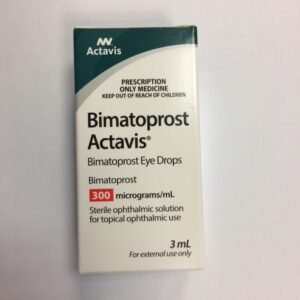
Bimatoprost Ophthalmic Solution, Eye Drop
Price range: $15.15 through $84.50 Select options This product has multiple variants. The options may be chosen on the product page -
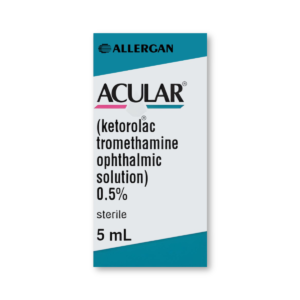 Price range: $15.60 through $44.40 Select options This product has multiple variants. The options may be chosen on the product page
-

Eye Drop, Gatofloxacin + Ketorolac Tromethamine
Price range: $24.71 through $134.51 Select options This product has multiple variants. The options may be chosen on the product page -
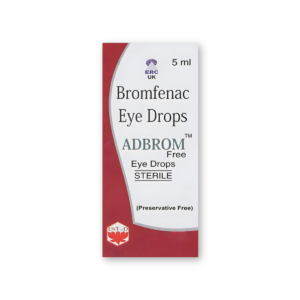 Price range: $30.41 through $82.79 Select options This product has multiple variants. The options may be chosen on the product page
-
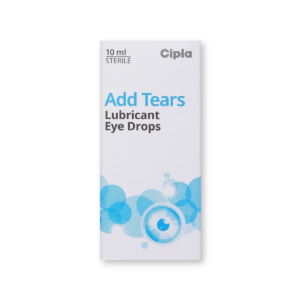
Eye Drop, Sodium Carboxymethylcellulose
Price range: $18.91 through $51.49 Select options This product has multiple variants. The options may be chosen on the product page -
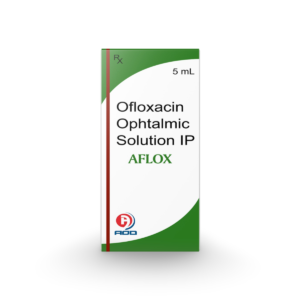
Antibiotics, Eye Drop, Ofloxacin
Price range: $2.64 through $6.62 Select options This product has multiple variants. The options may be chosen on the product page -
 Price range: $20.24 through $120.67 Select options This product has multiple variants. The options may be chosen on the product page
-

Eye Drop, Sulphacetamide Sodium
Price range: $15.60 through $44.40 Select options This product has multiple variants. The options may be chosen on the product page -
Eye Drop, Sulphacetamide Sodium
Price range: $15.60 through $44.40 Select options This product has multiple variants. The options may be chosen on the product page -
Price range: $3.78 through $18.89 Select options This product has multiple variants. The options may be chosen on the product page
-
Price range: $4.73 through $12.86 Select options This product has multiple variants. The options may be chosen on the product page
-
 Price range: $15.40 through $41.58 Select options This product has multiple variants. The options may be chosen on the product page
-
Price range: $15.40 through $43.80 Select options This product has multiple variants. The options may be chosen on the product page
-
Price range: $15.00 through $43.20 Select options This product has multiple variants. The options may be chosen on the product page
Showing 1–20 of 472 results
What Is Eye Care?
Eye care involves maintaining healthy eyes, protecting vision, and preventing or managing conditions that affect the eyes and surrounding tissues. It includes routine eye examinations, appropriate hygiene, protection from injury, and the correct use of eye drops or other treatments when needed.
Eye problems can develop because of infections, allergies, environmental irritants, prolonged screen use, underlying health conditions, injuries, or age-related changes. Identifying the cause is important because different conditions may produce similar symptoms but require different treatments.
Common Eye Conditions
1. Dry Eyes
Dry eye occurs when the eyes do not produce enough tears or when tears evaporate too quickly. It can cause irritation and discomfort, particularly during activities that require prolonged concentration.
Common symptoms include:
- Burning or stinging sensations
- A gritty feeling, as though something is in the eye
- Redness or irritation
- Blurred vision that may improve after blinking
- Sensitivity to light
- Watery eyes, despite dryness
Treatment options: Artificial tears and lubricating eye drops may help relieve mild symptoms. Preservative-free products may be preferable for people who need drops frequently. More persistent cases may require prescription treatment or an eye examination to identify the underlying cause.
Taking regular breaks from screens, blinking frequently, and avoiding direct airflow from fans or air conditioners may also help reduce discomfort.
2. Eye Allergies
Eye allergies occur when the eyes react to substances such as pollen, dust mites, mold, or animal dander. They commonly cause itching and watery eyes and may occur alongside sneezing or nasal congestion.
Common symptoms include:
- Itchy eyes
- Redness
- Excessive tearing
- Swollen eyelids
- Irritation affecting both eyes
Treatment options: Avoiding known triggers, applying a clean cool compress, and using appropriate lubricating eye drops may help. Antihistamine or mast-cell-stabilizing eye drops can be useful for allergic symptoms. Some products require a prescription, depending on the medicine and location.
Avoid rubbing the eyes, as this can worsen irritation. Eye pain, significant light sensitivity, or reduced vision should not be assumed to be an allergy.
3. Conjunctivitis (Pink Eye)
Conjunctivitis is inflammation of the conjunctiva, the thin membrane covering the white part of the eye and the inner surface of the eyelids. It can be caused by viruses, bacteria, allergens, or irritants.
Possible symptoms include:
- Redness in one or both eyes
- Watery discharge
- Itching or irritation
- Eyelids sticking together after sleep
- Mild swelling around the eyes
Treatment options: Treatment depends on the cause. Viral conjunctivitis often improves with supportive care, while bacterial conjunctivitis may sometimes require antibiotic eye drops or ointment. Allergic conjunctivitis may respond to allergy-specific treatment.
Antibiotics do not treat viral infections. Avoid sharing towels, wash your hands regularly, and do not share eye cosmetics or eye drops. Contact lenses should not be worn while the eyes are red or infected until a healthcare professional advises that it is safe.
4. Glaucoma
Glaucoma is a group of eye conditions that can damage the optic nerve, sometimes in association with elevated pressure inside the eye. It can lead to permanent vision loss if not identified and managed appropriately.
Important points about glaucoma:
- Early glaucoma may not cause noticeable symptoms.
- Peripheral vision may gradually become affected.
- Regular eye examinations are important for people at increased risk.
- Established vision loss from glaucoma generally cannot be reversed.
Treatment options: Prescription eye drops are commonly used to lower eye pressure. Depending on the type and severity, laser treatment or surgery may also be recommended.
Glaucoma treatment requires professional diagnosis and ongoing monitoring. Sudden severe eye pain, a red eye, blurred vision, halos around lights, headache, or nausea may indicate an eye emergency and require immediate medical attention.
5. Cataracts
A cataract develops when the normally clear lens inside the eye becomes cloudy. It is commonly associated with ageing, although injuries, certain medicines, and other medical conditions can also contribute.
Common symptoms include:
- Blurred or cloudy vision
- Increased sensitivity to glare
- Difficulty seeing at night
- Faded or less vivid colors
- Frequent changes in glasses prescription
Treatment options: Updated glasses and improved lighting may help during early stages. When cataracts significantly interfere with daily activities, surgery to replace the cloudy lens is the established treatment.
Eye drops and dietary supplements cannot reliably reverse an established cataract. An eye examination can help determine the severity and appropriate management.
6. Bacterial Eye Infections
Bacterial infections can affect different parts of the eye and eyelids. Symptoms vary depending on the location and severity of the infection.
Possible symptoms include:
- Redness and irritation
- Discharge or crusting
- Swollen eyelids
- Pain or discomfort
- Increased tearing
Treatment options: Some bacterial eye infections require prescription antibiotic drops or ointments. However, redness and discharge can also result from viral infections, allergies, or other conditions, so antibiotics should not be used automatically.
Contact lens users with a painful or red eye should seek prompt assessment because certain infections can threaten vision. Do not use leftover antibiotics or another person’s eye medication.
7. Refractive Errors
Refractive errors occur when the eye does not focus light correctly on the retina. Common examples include nearsightedness, farsightedness, and astigmatism.
Common symptoms include:
- Blurred vision at near or far distances
- Squinting to see clearly
- Eyestrain
- Headaches after visual tasks
- Difficulty reading signs or screens
Treatment options: Glasses and contact lenses can correct many refractive errors. Some adults may be eligible for refractive surgery after a comprehensive evaluation.
Eye drops generally do not correct ordinary refractive errors. An eye examination can identify the type of vision problem and the appropriate correction.
8. Styes and Eyelid Inflammation
A stye is a painful, localized lump that develops near the edge of an eyelid, often involving an oil gland or eyelash follicle. Other eyelid conditions, such as blepharitis, can cause persistent redness, crusting, and irritation.
Possible symptoms include:
- A tender bump on the eyelid
- Localized swelling
- Redness around the eyelid
- Crusting near the eyelashes
- Itching or irritation
Treatment options: A clean, warm compress may help a stye drain naturally. Eyelid hygiene can help manage some forms of blepharitis. Antibiotics or other treatments are needed only in selected cases after appropriate assessment.
Do not squeeze or attempt to puncture a stye. Seek medical advice if swelling spreads, pain becomes severe, vision changes, or the lump does not improve.
Common Eye Care Medicines and Their Uses
Eye medicines are available in different forms, including lubricating drops, allergy drops, antibiotic preparations, and prescription medicines for specific eye diseases. The correct treatment depends on the diagnosis, severity, and individual health needs.
1. Lubricating Eye Drops
Lubricating drops, often called artificial tears, help moisten the surface of the eye and reduce symptoms associated with dryness or irritation.
They may contain ingredients such as carboxymethylcellulose, hypromellose, or other lubricating agents.
Common uses:
- Dry eye symptoms
- Mild irritation from environmental conditions
- Discomfort associated with prolonged screen use
- Tear-film support in selected eye conditions
Follow the product instructions and avoid touching the dropper tip to the eye or other surfaces. Seek medical advice if symptoms persist or vision becomes affected.
2. Antihistamine Eye Drops
Antihistamine eye drops help relieve itching and other symptoms caused by eye allergies. Some products combine antihistamine action with mast-cell stabilization to help manage allergic reactions.
Examples of ingredients used in allergy eye drops include ketotifen and olopatadine.
Common uses:
- Itchy eyes caused by allergies
- Allergy-related redness
- Watery eyes associated with allergic conjunctivitis
These medicines are not suitable for every cause of red or irritated eyes. Follow product directions and seek advice if symptoms are severe or persistent.
3. Antibiotic Eye Drops and Ointments
Antibiotic eye preparations treat certain bacterial infections. Depending on the medicine, they may be prescribed for bacterial conjunctivitis or other specific infections.
Examples of ophthalmic antibiotics include tobramycin and moxifloxacin.
Important considerations:
- Antibiotics do not treat viral conjunctivitis or allergies.
- The medicine must be appropriate for the suspected infection.
- Prescription requirements vary by location and product.
- Treatment should be used for the prescribed duration.
Do not use antibiotic eye drops without appropriate medical guidance, especially if you have eye pain, light sensitivity, or changes in vision.
4. Anti-Inflammatory Eye Drops
Anti-inflammatory eye drops are used for selected eye conditions when inflammation needs to be controlled. Depending on the diagnosis, treatment may involve corticosteroids or other prescription medicines.
These medicines are not interchangeable with ordinary lubricating drops.
Corticosteroid eye drops can increase eye pressure, delay healing, or worsen certain infections when used inappropriately. They should be used only under the supervision of an eye care professional.
5. Glaucoma Eye Drops
Glaucoma medicines help lower pressure inside the eye to reduce the risk of further optic nerve damage.
Examples of active ingredients include latanoprost, timolol, and brimonidine. Different medicines work through different mechanisms, and some patients need more than one treatment.
Glaucoma medicines require regular monitoring. Do not stop treatment simply because your eyes feel normal, as glaucoma may progress without noticeable symptoms.
6. Dilating Eye Drops
Dilating drops enlarge the pupils to help an eye care professional examine the inside of the eye. Certain drops may also be used for specific diagnostic or therapeutic purposes.
After an eye examination, some people experience temporary blurred near vision and sensitivity to light. Follow the clinician’s instructions, and avoid driving until your vision is sufficiently clear.
7. Eye Ointments
Eye ointments are thicker than drops and may remain on the eye surface for longer. They can be used for selected conditions, including certain infections or surface-related problems.
Ointments may temporarily blur vision, so they are often used at bedtime when appropriate. Use only products specifically intended for ophthalmic use; skin creams and ordinary topical ointments must not be placed in the eye.
How to Use Eye Drops Correctly
Using eye drops correctly helps reduce contamination and supports the intended treatment.
- Wash your hands: Clean your hands with soap and water before handling the bottle.
- Check the label: Confirm the medicine name, instructions, expiry date, and storage requirements.
- Prepare the eye: Tilt your head back and gently pull down the lower eyelid to create a small pocket.
- Apply the drop: Place the prescribed number of drops into the pocket without touching the bottle tip to the eye.
- Close your eye gently: Keep the eye closed briefly. If instructed, gently press near the inner corner of the eye to reduce drainage into the nose.
- Wait between medicines: If using multiple eye products, follow the recommended interval. Eye ointments are generally applied after drops unless instructed otherwise.
- Replace the cap: Close the bottle promptly and do not share it with anyone.
If you wear contact lenses, check whether they must be removed before applying the medicine and when they can safely be worn again. Some eye drops contain preservatives that may affect contact lenses.
How to Choose the Right Eye Care Product
Selecting an eye care product depends on the cause of the symptoms. A product designed for dry eyes may not treat an infection, and antibiotic drops will not relieve ordinary eye allergies.
Before using an eye medicine, consider the following:
- Identify the symptoms: Dryness, itching, discharge, pain, and blurred vision may indicate different conditions.
- Check the active ingredient: Read the label and confirm the product is intended for ophthalmic use.
- Understand the purpose: Distinguish between lubricating, allergy-relief, antibiotic, anti-inflammatory, and glaucoma medicines.
- Check prescription requirements: Some eye medicines require a prescription and professional monitoring.
- Review allergies and medical history: Tell your healthcare professional about other medicines, eye conditions, contact lens use, and relevant health problems.
- Check storage and expiry: Follow the product’s storage instructions and discard it as directed after opening.
- Avoid sharing products: Eye drops and eye cosmetics can spread infection or become contaminated.
If you are unsure of the cause of your symptoms, seek advice from an eye care professional rather than choosing treatment based only on appearance.
Tips for Maintaining Healthy Eyes
1. Take Regular Screen Breaks
Long periods of screen use can reduce blinking and contribute to eye discomfort. Take regular breaks, blink consciously, and adjust screen brightness and text size for comfort.
2. Schedule Eye Examinations
Routine eye examinations can identify vision changes and certain eye diseases before symptoms become obvious. The recommended frequency depends on age, medical history, family history, and individual risk factors.
3. Protect Your Eyes From Ultraviolet Light
Sunglasses that provide appropriate UVA and UVB protection help reduce exposure to ultraviolet radiation. Protective eyewear is also important for activities involving flying particles, chemicals, or other potential hazards.
4. Maintain Good Contact Lens Hygiene
Wash and dry your hands before handling contact lenses, follow the prescribed cleaning routine, and replace lenses and cases as directed. Never use tap water to clean or store contact lenses, and avoid sleeping in lenses unless specifically approved for your situation.
5. Eat a Balanced Diet
A varied diet containing vegetables, fruits, whole grains, and sources of healthy fats supports general health. Nutrients such as vitamins A, C, and E, zinc, and omega-3 fatty acids play roles in normal body functions, but supplements are not a substitute for diagnosing and treating eye disease.
6. Avoid Rubbing Your Eyes
Rubbing can worsen irritation and may damage the eye surface. If your eyes feel itchy or dry, consider a clean cool compress or an appropriate lubricating product.
7. Keep Eye Products Clean
Do not share eye drops, contact lenses, or eye cosmetics. Avoid touching the dropper tip to your eye, fingers, or other surfaces, and replace products according to their instructions.
8. Manage Underlying Health Conditions
Diabetes, high blood pressure, and certain autoimmune conditions can affect eye health. Following your treatment plan and attending recommended eye examinations can help detect complications early.
Eye Care Side Effects and Safety Precautions
Eye medicines can cause side effects, and risks depend on the active ingredient and the condition being treated.
Possible effects include:
- Temporary stinging or burning after application
- Mild irritation or redness
- Temporary blurred vision
- Changes in taste after certain drops drain into the throat
- Allergic reactions
- Medicine-specific effects that require monitoring
Prescription steroid drops can increase eye pressure and may worsen certain infections. Some glaucoma medicines can affect heart rate, breathing, or blood pressure in susceptible people. Antibiotic and allergy drops may also cause irritation or allergic reactions.
Follow the prescribed dose and frequency. Do not use steroid or antibiotic eye drops left over from a previous illness, and do not use products beyond their recommended period after opening.
Seek urgent medical attention for sudden vision loss, severe eye pain, a chemical splash, a penetrating eye injury, a painful red eye in a contact lens wearer, or new flashes and floaters accompanied by a shadow or curtain across your vision.
For chemical exposure, immediately rinse the eye with clean running water or saline and seek emergency care. Do not delay rinsing while looking for eye drops.
Myths and Facts About Eye Care
Myth 1: All Red Eyes Need Antibiotic Drops
Fact: Redness may be caused by allergies, viruses, dryness, irritation, or bacterial infection. Treatment depends on the cause, and antibiotics are not appropriate for every case.
Myth 2: Eye Drops Can Correct Every Vision Problem
Fact: Lubricating drops may relieve dryness, and prescription drops can treat selected eye conditions. Ordinary refractive errors usually require glasses, contact lenses, or an appropriate procedure.
Myth 3: Eye Drops Are Safe to Share
Fact: Sharing eye drops can spread infection and contaminate the bottle. Each product should be used according to its instructions and intended user.
Myth 4: Glaucoma Always Causes Early Symptoms
Fact: Many forms of glaucoma develop gradually without obvious early symptoms. Regular eye examinations are important because damage can be permanent.
Myth 5: Natural or Herbal Products Are Always Safe for the Eyes
Fact: Products not specifically designed for ophthalmic use can irritate or injure the eye. Do not place homemade preparations, herbal liquids, or non-ophthalmic products into the eyes.
Myth 6: Using More Eye Drops Makes Them Work Faster
Fact: Applying more than the recommended amount generally does not improve results and may increase side effects. Follow the prescribed or labeled instructions.
Myth 7: Eye Problems Only Affect Older Adults
Fact: Eye allergies, infections, dry eyes, injuries, and vision problems can occur at any age. Appropriate eye care is important throughout life.
Frequently Asked Questions About Eye Care
1. What are the most common eye problems?
Common eye concerns include dry eyes, allergies, conjunctivitis, refractive errors, styes, cataracts, and glaucoma. Symptoms and treatment vary depending on the condition.
2. Which eye drops should I use for dry eyes?
Lubricating eye drops, also called artificial tears, may help relieve dryness and irritation. The most appropriate product depends on symptom severity, how often drops are needed, and other eye conditions. Persistent symptoms should be assessed by an eye care professional.
3. Can antibiotic eye drops treat pink eye?
Antibiotic drops may be prescribed for certain bacterial cases of conjunctivitis, but they do not treat viral or allergic conjunctivitis. An appropriate assessment can help determine the cause and whether antibiotics are needed.
4. Can I use allergy eye drops every day?
Some allergy eye drops are designed for regular use according to their product instructions, while others may require professional guidance. Check the label and consult a healthcare professional if symptoms persist or you need frequent treatment.
5. Are prescription eye drops safe for long-term use?
Some prescription eye drops are intended for long-term use, such as certain glaucoma medicines. Others require limited use or regular monitoring. Follow the prescribed plan and attend recommended follow-up appointments.
6. How should I store eye drops?
Storage requirements vary. Some products can be stored at room temperature, while others may require refrigeration. Follow the product label, keep the bottle properly closed, and do not use it beyond the recommended period after opening.
7. Can I wear contact lenses while using eye drops?
It depends on the medicine and the type of contact lenses. Some products require lenses to be removed before use. Avoid wearing lenses when your eye is red, painful, or infected until a healthcare professional confirms it is safe.
8. What should I do if my eyes become red and painful?
Redness with significant pain, light sensitivity, blurred vision, or nausea may indicate a serious condition. Seek urgent medical attention rather than relying on over-the-counter drops.
9. Can vitamins improve eyesight?
Vitamins support normal body functions, and specific nutrients may help in certain diagnosed deficiencies or eye conditions. However, supplements cannot correct most refractive errors or reverse all causes of vision loss. A balanced diet and appropriate eye examinations are important.
10. How often should I have an eye examination?
The recommended schedule depends on your age, vision needs, family history, medical conditions, and risk factors. People with diabetes, glaucoma risk, or existing eye disease may need more frequent examinations.
11. Can I use skin ointment or homemade remedies in my eyes?
No. Only use products specifically formulated for ophthalmic use. Skin creams, homemade preparations, and unapproved liquids may contaminate or injure the eye.
12. When is an eye problem an emergency?
Sudden vision loss, severe pain, chemical exposure, penetrating injury, or new flashes and floaters with a curtain-like shadow require urgent assessment. Prompt treatment can be important for protecting vision.