
Acid Reducers
Acid reducers are commonly used to manage digestive discomfort caused by excess stomach acid. They may help relieve symptoms such as heartburn, acid reflux, and burning sensations after meals. Read more
Showing all 14 results
-
 Price range: $18.75 through $42.75 Select options This product has multiple variants. The options may be chosen on the product page
-
 Price range: $2.00 through $5.67 Select options This product has multiple variants. The options may be chosen on the product page
-
 Price range: $4.56 through $11.34 Select options This product has multiple variants. The options may be chosen on the product page
-
 Price range: $0.76 through $2.18 Select options This product has multiple variants. The options may be chosen on the product page
-
 Price range: $1.20 through $3.45 Select options This product has multiple variants. The options may be chosen on the product page
-
 Price range: $15.34 through $22.38 Select options This product has multiple variants. The options may be chosen on the product page
-
Price range: $34.59 through $94.16 Select options This product has multiple variants. The options may be chosen on the product page
-

Acid Reducers, Esomeprazole Magnesium
Price range: $18.00 through $49.00 Select options This product has multiple variants. The options may be chosen on the product page -

Acid Reducers, Omeprazole, Ranbaxy
Price range: $8.35 through $21.38 Select options This product has multiple variants. The options may be chosen on the product page -

Acid Reducers, Cadila Pharmaceuticals, Pantoprazole, Zydus Lifesciences (Cadila Healthcare)
Price range: $13.79 through $37.54 Select options This product has multiple variants. The options may be chosen on the product page -
Price range: $17.42 through $47.43 Select options This product has multiple variants. The options may be chosen on the product page
-
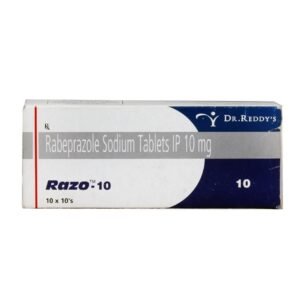 Price range: $6.34 through $15.39 Select options This product has multiple variants. The options may be chosen on the product page
-

Acid Reducers, Gastro Health, Rabeprazole
Price range: $25.63 through $69.78 Select options This product has multiple variants. The options may be chosen on the product page -

Acid Reducers, Cipla, Domperidone
Price range: $4.56 through $11.34 Select options This product has multiple variants. The options may be chosen on the product page
Showing all 14 results
What Are Acid Reducers?
Acid reducers are medicines used to manage heartburn, acid reflux, and other digestive problems associated with stomach acid. These problems may cause a burning feeling in the chest, a sour taste in the mouth, or discomfort after meals. Symptoms can occur when stomach contents flow back into the food pipe or when acid irritates the stomach lining.
Different medicines work in different ways. Some reduce the amount of acid produced by the stomach, while others neutralize existing acid. The appropriate medicine depends on your symptoms, the condition being treated, your medical history, and other medicines you may take.
What Causes Acidity and Acid Reflux?
Acid reflux often occurs when the muscle between the stomach and food pipe does not close properly, allowing stomach contents to move upward. Several factors may trigger or worsen symptoms, including:
- Eating large meals or eating close to bedtime.
- Consuming spicy or fatty foods that trigger symptoms.
- Drinking coffee or alcohol.
- Smoking or being overweight.
- Lying down soon after eating.
- Taking certain medicines that may worsen reflux.
Triggers vary from person to person. Frequent acidity does not always mean that the stomach produces too much acid, so persistent symptoms should be assessed by a healthcare professional.
Common Symptoms of Acidity
Acid-related digestive problems can cause different symptoms, including:
- Heartburn: A burning sensation in the chest, often after meals or when lying down.
- Sour or bitter taste: Stomach contents may flow back into the throat or mouth.
- Upper stomach discomfort: Burning, pain, or uneasiness in the upper abdomen.
- Indigestion and bloating: Feeling uncomfortably full or experiencing discomfort after eating.
- Nighttime reflux: Symptoms may become worse when lying down and interfere with sleep.
These symptoms can have causes other than acidity. Seek medical advice if they occur frequently, persist, or become worse.
Medicines Used to Manage Stomach Acid
Several medicines are used to manage acid-related conditions. Their active ingredients, strengths, and intended uses differ, so checking the product information is important.
Esomeprazole
Es Care 40 mg and Izra 40 mg are listed in this category. Esomeprazole reduces stomach acid production and is used for certain acid-related conditions, including GERD. Verify the active ingredient of each product on its label before use.
Famotidine
Products listed include:
- Facid 20 mg
- Facid 40 mg
- Famocid 20 mg
- Famocid 40 mg
- Famtac 40 mg
Famotidine reduces stomach acid production and may be used for heartburn and other acid-related conditions. The appropriate strength and duration depend on the condition being treated.
Omeprazole
Omesec 20 mg contains omeprazole, which reduces stomach acid production. It is used for conditions such as acid reflux and certain stomach ulcers.
Pantoprazole
Pentaloc 40 mg contains pantoprazole, a medicine used to manage acid-related conditions, including gastroesophageal reflux disease (GERD).
Rabeprazole
Products listed include:
- Rabidoc 20 mg
- Razo 10 mg
- Razo 20 mg
Rabeprazole reduces stomach acid production and may be prescribed for GERD and certain ulcers.
How to Choose the Right Medicine
Before choosing an acid reducer, consider the following factors:
- Frequency of symptoms: Occasional heartburn may require a different approach from symptoms that occur frequently.
- Active ingredient: Medicines with different ingredients work differently and are not always interchangeable.
- Strength and formulation: Check the strength, dosage form, and instructions on the product label.
- Existing health conditions: Kidney, liver, or heart problems may affect medicine suitability.
- Other medications: Some acid reducers can interact with prescription medicines or other treatments.
- Treatment duration: Certain medicines are intended for a defined treatment period and should not be continued unnecessarily.
Do not assume that a higher strength will provide better relief. A pharmacist or healthcare professional can help you identify an appropriate medicine based on your symptoms and medical history.
Common Myths and Facts About Acid Reducers
There are several misconceptions about acidity, acid reflux, and the medicines used to manage these conditions. Understanding the facts can help you make informed decisions.
Myth 1: Acidity always means the stomach produces too much acid.
Fact: Acid reflux can occur when stomach contents flow back into the food pipe. Symptoms may have different causes, so frequent discomfort should be evaluated by a healthcare professional.
Myth 2: All acid reducers provide immediate relief.
Fact: Different medicines work at different speeds. Antacids can provide quick relief from occasional heartburn, while medicines such as omeprazole, pantoprazole, and rabeprazole may take longer to achieve their full effect.
Myth 3: A higher medicine strength always works better.
Fact: The appropriate strength depends on the condition being treated and individual health factors. A higher dose is not necessarily more effective or safer.
Myth 4: Acid reducers are safe to take indefinitely.
Fact: Some medicines may carry additional risks with prolonged or unnecessary use. Follow the recommended treatment duration and seek professional advice before continuing long-term treatment.
Myth 5: Heartburn and acid reflux are always harmless.
Fact: Occasional symptoms are common, but persistent problems may require medical assessment. Difficulty swallowing, vomiting blood, or black stools requires prompt medical attention.
Myth 6: All medicines used for digestive problems reduce stomach acid.
Fact: Different medicines treat different symptoms. For example, domperidone is used for certain nausea and vomiting symptoms rather than directly reducing stomach acid. Always check the active ingredient and intended use before choosing a medicine.
Possible Side Effects and Precautions
Possible side effects vary depending on the medicine and may include:
- Headache.
- Nausea or abdominal discomfort.
- Constipation or diarrhea.
- Interactions with other medicines.
Some acid-reducing medicines may require additional precautions for people with kidney, liver, or other health conditions. Always read the product information and follow the recommended directions.
Before using an acid reducer, remember to:
- Check the active ingredient and recommended dosage.
- Tell your healthcare professional about other medicines you take.
- Seek advice before using these medicines for an extended period.
- Avoid combining medicines with similar effects unless advised by a healthcare professional.
- Consult a professional if symptoms continue, worsen, or repeatedly return.
Seek prompt medical assessment for difficulty swallowing, unexplained weight loss, vomiting blood, black or tarry stools, or severe abdominal pain. Chest pain accompanied by shortness of breath, sweating, or pain spreading to the arm or jaw requires emergency medical attention.
Frequently Asked Questions About Acid Reducers
1. What are acid reducers used for?
Acid reducers are used to manage conditions such as heartburn, acid reflux, GERD, and certain acid-related ulcers. Their suitability depends on the active ingredient and the condition being treated.
2. Which medicines are commonly used to reduce stomach acid?
Common examples include omeprazole, pantoprazole, esomeprazole, rabeprazole, and famotidine. These medicines work differently, so the appropriate option depends on individual symptoms and medical advice.
3. How quickly do acid reducers work?
The time required for relief varies. Antacids can provide relatively quick relief from occasional heartburn, while medicines that reduce acid production may take longer to provide their full benefit.
4. Can acid reducers be taken every day?
Some acid reducers are prescribed for daily use for specific conditions, while others are intended for occasional or short-term use. Follow the product instructions and seek professional advice before using a medicine regularly or for longer than recommended.
5. What should I do if acidity keeps returning?
Recurring symptoms may indicate an underlying condition that requires assessment. Consult a healthcare professional rather than repeatedly treating the symptoms without identifying the cause.
6. Can acid reducers cause side effects?
Yes. Side effects depend on the medicine and may include headache, nausea, abdominal discomfort, constipation, or diarrhea. Check the product information and seek professional advice if you experience concerning symptoms.
