
Acne
Acne is a common skin condition that occurs when hair follicles become clogged with excess oil, dead skin cells, and other debris. It can appear as blackheads, whiteheads, pimples, or deeper, painful lesions. Acne most commonly affects the face, chest, shoulders, and back. Hormonal changes, excess sebum production, inflammation, genetics, and certain medications can contribute to acne. Although it is particularly common during adolescence, adults can also experience persistent or recurring breakouts. Read more
Showing 1–20 of 84 results
-

Acne, Antibiotics, Minocycline (50mg)
Price range: $21.00 through $50.40 Select options This product has multiple variants. The options may be chosen on the product page -
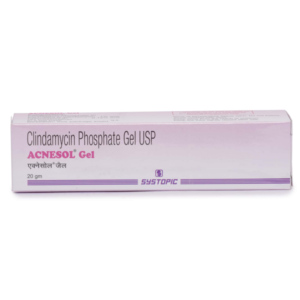 Price range: $6.58 through $34.52 Select options This product has multiple variants. The options may be chosen on the product page
-

Acne, Sodium Ascorbyl Phosphate
Price range: $11.40 through $52.80 Select options This product has multiple variants. The options may be chosen on the product page -

Acne, Sodium Ascorbyl Phosphate
Price range: $11.40 through $52.80 Select options This product has multiple variants. The options may be chosen on the product page -

Acne, Antibiotics, Minocycline
Price range: $31.38 through $80.64 Select options This product has multiple variants. The options may be chosen on the product page -
 Price range: $4.65 through $10.71 Select options This product has multiple variants. The options may be chosen on the product page
-
 Price range: $16.65 through $90.63 Select options This product has multiple variants. The options may be chosen on the product page
-
 Price range: $20.88 through $55.80 Select options This product has multiple variants. The options may be chosen on the product page
-
 Price range: $29.45 through $80.16 Select options This product has multiple variants. The options may be chosen on the product page
-
 Price range: $22.26 through $60.60 Select options This product has multiple variants. The options may be chosen on the product page
-
 Price range: $5.82 through $14.36 Select options This product has multiple variants. The options may be chosen on the product page
-
 Price range: $26.32 through $71.66 Select options This product has multiple variants. The options may be chosen on the product page
-
 Price range: $8.40 through $21.42 Select options This product has multiple variants. The options may be chosen on the product page
-
Price range: $16.15 through $36.54 Select options This product has multiple variants. The options may be chosen on the product page
-
Price range: $6.23 through $15.37 Select options This product has multiple variants. The options may be chosen on the product page
-
Price range: $12.60 through $27.30 Select options This product has multiple variants. The options may be chosen on the product page
-
 Price range: $15.93 through $86.71 Select options This product has multiple variants. The options may be chosen on the product page
-
 Price range: $16.69 through $90.89 Select options This product has multiple variants. The options may be chosen on the product page
-
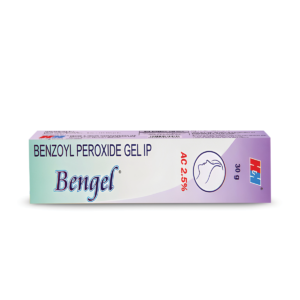 Price range: $16.69 through $45.44 Select options This product has multiple variants. The options may be chosen on the product page
-
 Price range: $16.20 through $47.70 Select options This product has multiple variants. The options may be chosen on the product page
Showing 1–20 of 84 results
Acne treatments are available in several forms, including creams, gels, cleansers, and oral medicines. The choice of treatment depends on the severity of the condition, skin type, medical history, and response to previous treatments. Appropriate management can help reduce breakouts, improve skin appearance, and lower the risk of scarring.
Uses of Acne Treatments
Acne treatments help manage existing blemishes and reduce the development of new breakouts. Different products target specific factors involved in acne formation.
Common treatment goals include:
- Unclogging pores: Helps reduce the buildup of oil and dead skin cells.
- Controlling excess oil: Certain treatments help regulate sebum production.
- Reducing inflammation: Helps improve redness, swelling, and tenderness.
- Managing acne-associated bacteria: Specific ingredients reduce bacterial activity within affected follicles.
- Preventing recurring breakouts: Continued treatment may help maintain clearer skin.
- Reducing scarring risk: Early management of inflammatory acne can help limit lasting skin damage.
Not every acne product works in the same way. Mild blackheads and whiteheads may respond to topical products, while severe or painful acne may require prescription treatment.
How Acne Develops
Acne develops through several interconnected processes.
Excess Oil Production
Sebaceous glands produce sebum, a natural oil that helps protect the skin. Excess production can contribute to clogged follicles and acne formation.
Blocked Hair Follicles
Dead skin cells can accumulate inside hair follicles and mix with sebum, forming whiteheads or blackheads.
Bacterial Activity
Cutibacterium acnes naturally lives on the skin. Changes within blocked follicles can encourage bacterial activity and contribute to inflammation.
Inflammation
Inflammation can cause red, swollen, and painful pimples. When it affects deeper layers of the skin, it may result in nodules and an increased risk of scarring.
Types of Acne
1. Whiteheads
Whiteheads form when a pore becomes blocked and remains closed at the skin’s surface. They appear as small, pale bumps.
2. Blackheads
Blackheads develop when a blocked pore remains open. Their dark appearance results from changes in the material inside the pore, not simply from dirt.
3. Papules
Papules are small, raised, inflamed bumps that may look red and feel tender.
4. Pustules
Pustules are inflamed pimples containing pus, often with a white or yellow centre.
5. Nodules
Nodules are deeper, firm, and often painful lesions. They may persist for longer periods and can cause scarring.
6. Severe or Cystic Acne
Severe inflammatory acne can involve deep, painful, cyst-like lesions. This type of acne may require specialist treatment to reduce inflammation and prevent permanent scars.
Common Acne Treatment Options
Benzoyl Peroxide
Benzoyl peroxide is a topical ingredient that reduces acne-associated bacteria and helps treat inflammatory pimples. It is available in cleansers, gels, and creams.
Possible side effects include dryness, redness, peeling, and irritation. It may also bleach clothing and towels.
Salicylic Acid
Salicylic acid helps remove dead skin cells and unclog pores. It is commonly used for blackheads, whiteheads, and mild acne.
Overuse may cause dryness or irritation, especially in people with sensitive skin.
Topical Retinoids
Topical retinoids, such as adapalene and tretinoin, help regulate skin-cell turnover and prevent blocked follicles. They may be prescribed or recommended depending on the ingredient and formulation.
Common side effects include dryness, peeling, redness, and irritation. Topical retinoids are generally avoided during pregnancy as a precaution.
Topical Antibiotics
Topical antibiotics, including clindamycin, may be prescribed for inflammatory acne. They help reduce bacterial activity and inflammation.
To reduce antibiotic resistance, topical antibiotics are generally used with benzoyl peroxide rather than alone.
Oral Antibiotics
Medicines such as doxycycline may be prescribed for moderate to severe inflammatory acne when appropriate. They are usually used for a limited period and often alongside topical treatment.
Oral antibiotics require medical guidance because they can cause side effects and are unsuitable for certain individuals.
Hormonal Treatments
Some hormonal medicines, including selected combined oral contraceptives and spironolactone, may help manage acne in appropriate patients.
A healthcare professional should assess suitability, potential side effects, medical history, and pregnancy-related considerations before treatment.
Oral Isotretinoin
Isotretinoin is a prescription medicine used for severe, persistent, or scarring acne when clinically appropriate. It requires close medical supervision because it can cause significant adverse effects.
Isotretinoin can cause severe birth defects and must not be used during pregnancy. Strict pregnancy-prevention measures and appropriate monitoring are required.
Benefits of Acne Treatment
Appropriate acne treatment may help:
- Reduce the number of pimples and blocked pores.
- Improve redness and inflammation.
- Prevent the formation of new blemishes.
- Reduce the risk of acne-related scarring.
- Improve skin texture over time.
- Support clearer-looking skin.
- Help maintain results through continued care.
Treatment outcomes vary depending on the severity of acne, the selected medicine, and consistency of use. Many treatments require several weeks before noticeable improvement.
Possible Side Effects of Acne Treatments
The side effects depend on the active ingredient, strength, formulation, and method of use.
Possible effects include:
- Dryness or peeling.
- Redness and irritation.
- Burning or stinging sensations.
- Increased sensitivity to sunlight with certain treatments.
- Allergic skin reactions.
- Digestive symptoms associated with some oral medicines.
- Medicine-specific effects that may require medical monitoring.
Using multiple active ingredients at once may increase irritation. Follow product instructions and seek professional advice if symptoms persist or worsen.
Precautions When Using Acne Medicines
Before starting acne treatment, consider the following precautions:
- Check the ingredients: Avoid combining products with overlapping ingredients without professional guidance.
- Follow directions: Applying more medicine than recommended can worsen irritation.
- Consider pregnancy: Isotretinoin must never be used during pregnancy. Other acne medicines may also require precautions.
- Review other medicines: Tell your healthcare professional about all prescription medicines and supplements you use.
- Protect the skin: Use suitable sun protection, particularly when using treatments that increase irritation or sun sensitivity.
- Avoid squeezing pimples: Picking or squeezing lesions can increase inflammation, pigmentation changes, and scarring.
- Seek medical advice for severe acne: Deep, painful, persistent, or scarring lesions may require prescription treatment.
Skin-Care Tips for Acne-Prone Skin
A consistent and gentle skin-care routine can complement acne treatment.
- Wash your face gently, usually twice daily and after heavy sweating.
- Use a mild cleanser and avoid abrasive scrubs.
- Choose non-comedogenic moisturisers and sunscreen where possible.
- Remove makeup before sleeping.
- Introduce new active ingredients gradually.
- Avoid repeatedly touching, picking, or squeezing blemishes.
- Follow prescribed treatment consistently.
- Consult a dermatologist if acne persists or causes scarring.
Acne is not simply caused by poor hygiene. Excessive washing and harsh skin-care products may worsen irritation.
Acne: Myths and Facts
Several misconceptions about acne can lead to ineffective skin-care habits and unrealistic treatment expectations. Understanding the facts can help people make better decisions about acne management.
Myth 1: Acne is caused by poor hygiene.
Fact: Acne is not simply caused by an unclean face. It develops through a combination of excess oil production, clogged hair follicles, bacterial activity, and inflammation. Excessive washing can irritate the skin and worsen breakouts.
Myth 2: Eating chocolate always causes acne.
Fact: Chocolate does not cause acne in everyone. Some research suggests that high-glycemic dietary patterns may worsen acne in certain individuals, but dietary triggers vary from person to person.
Myth 3: Acne only affects teenagers.
Fact: Although acne is common during adolescence, adults can also develop breakouts. Hormonal changes, genetics, and certain medications may contribute to adult acne.
Myth 4: Squeezing pimples helps them heal faster.
Fact: Picking or squeezing pimples can increase inflammation and the risk of infection, dark marks, and permanent scarring. Allowing blemishes to heal without manipulation is generally safer.
Myth 5: Sun exposure clears acne.
Fact: Sun exposure is not a reliable acne treatment. Ultraviolet radiation can damage the skin and make post-acne dark spots more noticeable. Suitable sun protection is important.
Myth 6: Oily skin does not need moisturiser.
Fact: Oily skin can still become dehydrated or irritated, especially when using acne medicines. A lightweight, non-comedogenic moisturiser can help support the skin barrier.
Myth 7: Using more acne medicine produces faster results.
Fact: Applying more product than directed does not necessarily improve acne more quickly. It may cause dryness, redness, peeling, and irritation. Follow the product label or your healthcare professional’s instructions.
Myth 8: Acne treatments work overnight.
Fact: Most acne treatments take several weeks to produce noticeable improvement. Many require around six to eight weeks or longer, depending on the treatment and severity of acne.
Myth 9: Makeup always causes acne.
Fact: Makeup does not automatically cause acne. Some products may contribute to clogged pores, so choosing non-comedogenic formulations and removing makeup before sleeping can help.
Myth 10: Acne is only a cosmetic problem.
Fact: Acne can cause discomfort, lasting scars, and emotional distress. Persistent, painful, or scarring acne deserves appropriate medical attention.
Myth 11: Natural remedies are always safer than acne medicines.
Fact: Natural ingredients can cause irritation, allergic reactions, and other adverse effects. Some home remedies may damage the skin. Treatments with appropriate evidence and professional guidance are preferable for persistent acne.
Myth 12: Acne means a person has unhealthy skin.
Fact: Acne can affect people with different skin types and hygiene habits. Hormones, genetics, inflammation, and other biological factors play important roles. Having acne does not mean someone is doing something wrong.
Frequently Asked Questions About Acne
1. What causes acne?
Acne develops when hair follicles become blocked by oil and dead skin cells. Bacterial activity and inflammation also contribute, while hormones and genetics can influence the condition.
2. Which ingredients are commonly used for acne?
Common ingredients include benzoyl peroxide, salicylic acid, and topical retinoids. Prescription antibiotics, hormonal treatments, or isotretinoin may be considered for selected cases.
3. How long does acne treatment take to work?
Many treatments take around six to eight weeks to show noticeable improvement. Some people need several months of treatment, depending on the severity and type of acne.
4. Can adults develop acne?
Yes. Acne can begin or continue during adulthood. Hormonal changes, certain medications, and other individual factors may contribute to recurring breakouts.
5. Does poor hygiene cause acne?
No. Acne is not simply the result of an unclean face. Harsh scrubbing and excessive washing can irritate the skin and worsen symptoms.
6. Can acne treatments cause dry skin?
Yes. Ingredients such as benzoyl peroxide, salicylic acid, and topical retinoids can cause dryness, redness, or peeling. A gentle moisturiser may help reduce discomfort.
7. Can acne leave scars?
Yes. Severe inflammation, deep lesions, and picking or squeezing pimples can increase the risk of permanent scarring. Appropriate early treatment may help reduce this risk.
8. Are antibiotics used to treat acne?
Yes. Topical or oral antibiotics may be prescribed for certain types of inflammatory acne. They should be used under medical supervision to reduce the risk of antibiotic resistance.
9. Are acne medicines safe during pregnancy?
Not all acne medicines are suitable during pregnancy. Oral isotretinoin must not be used during pregnancy, and topical retinoids are generally avoided as a precaution. Consult a healthcare professional before using any acne treatment during pregnancy.
10. When should I consult a dermatologist?
Seek professional advice if acne is severe, painful, persistent, causing scars, or affecting emotional well-being. A dermatologist can recommend treatment based on your skin and medical history.