
Allergy
An allergy occurs when the immune system reacts to a substance that is usually harmless to most people. These substances, known as allergens, may include pollen, dust mites, certain foods, insect venom, mold, animal dander, or specific medicines. When a person with an allergy encounters an allergen, the immune system may release chemicals such as histamine, causing symptoms that range from mild irritation to potentially life-threatening reactions. Read more
Showing 1–20 of 140 results
-
 Price range: $7.00 through $16.80 Select options This product has multiple variants. The options may be chosen on the product page
-
 Price range: $6.50 through $17.50 Select options This product has multiple variants. The options may be chosen on the product page
-
 Price range: $6.78 through $17.81 Select options This product has multiple variants. The options may be chosen on the product page
-
 Price range: $14.10 through $41.00 Select options This product has multiple variants. The options may be chosen on the product page
-
Price range: $22.10 through $64.50 Select options This product has multiple variants. The options may be chosen on the product page
-
 Price range: $17.10 through $49.50 Select options This product has multiple variants. The options may be chosen on the product page
-
 Price range: $39.00 through $112.50 Select options This product has multiple variants. The options may be chosen on the product page
-
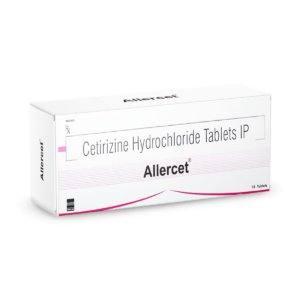 Price range: $12.33 through $32.92 Select options This product has multiple variants. The options may be chosen on the product page
-
 Price range: $16.00 through $36.00 Select options This product has multiple variants. The options may be chosen on the product page
-
Price range: $56.57 through $154.00 Select options This product has multiple variants. The options may be chosen on the product page
-
 Price range: $28.29 through $154.00 Select options This product has multiple variants. The options may be chosen on the product page
-
 Price range: $6.16 through $17.12 Select options This product has multiple variants. The options may be chosen on the product page
-
 Price range: $10.22 through $27.81 Select options This product has multiple variants. The options may be chosen on the product page
-
Price range: $56.74 through $154.45 Select options This product has multiple variants. The options may be chosen on the product page
-
Allergy, Betamethasone Valerate
Price range: $4.72 through $12.35 Select options This product has multiple variants. The options may be chosen on the product page -
Price range: $31.50 through $81.50 Select options This product has multiple variants. The options may be chosen on the product page
-
 Price range: $12.00 through $32.40 Select options This product has multiple variants. The options may be chosen on the product page
-

Allergy, Levocetirizine dihydrochloride
Price range: $20.09 through $54.70 Select options This product has multiple variants. The options may be chosen on the product page -
 Price range: $13.78 through $36.80 Select options This product has multiple variants. The options may be chosen on the product page
-
Price range: $14.86 through $39.90 Select options This product has multiple variants. The options may be chosen on the product page
Showing 1–20 of 140 results
Allergy management involves identifying triggers when possible, reducing exposure, using appropriate medications, and receiving specialist care for persistent or severe reactions. Some allergies can also be treated with allergen immunotherapy under medical supervision.
Common Types of Allergies
Allergies are classified according to the substances that trigger them and the body systems they affect.
1. Seasonal and Environmental Allergies
Environmental allergies occur when the immune system reacts to airborne substances such as pollen, mold spores, dust mites, or animal dander.
Common symptoms include:
- Sneezing and a runny nose.
- Nasal congestion.
- Itchy nose or throat.
- Red, watery, or itchy eyes.
- Coughing associated with nasal drainage or allergic airway conditions.
Seasonal allergies often become more noticeable during periods when certain plants release pollen. Indoor allergens may cause symptoms throughout the year.
2. Food Allergies
Food allergies occur when the immune system reacts to particular food proteins. Common triggers include peanuts, tree nuts, milk, eggs, fish, shellfish, wheat, soy, and sesame.
Symptoms may include hives, itching, swelling, vomiting, abdominal discomfort, wheezing, or breathing difficulties. Severe reactions can affect multiple organ systems and develop rapidly.
A food allergy is different from food intolerance. Food intolerance may cause digestive symptoms without involving the same immune mechanism. Accurate diagnosis is important before eliminating foods from the diet, particularly for children.
3. Drug Allergies
Drug allergies involve an immune-mediated reaction to a medication. Antibiotics, including certain penicillins, and some other medicines can cause allergic reactions in susceptible individuals.
Possible symptoms include a rash, hives, itching, swelling, or breathing difficulties. Some severe drug reactions cause blistering, skin peeling, fever, or internal organ involvement and require urgent medical assessment.
Not every adverse effect is an allergy. Nausea, diarrhea, or other predictable medication effects may occur without an allergic mechanism. A healthcare professional can help determine whether a medicine should be avoided and whether formal allergy evaluation is appropriate.
4. Insect Sting Allergies
Some people develop allergic reactions to the venom of stinging insects, such as bees, wasps, or hornets.
A localized reaction may involve pain, redness, itching, and swelling around the sting. A systemic reaction can cause widespread hives, facial or throat swelling, dizziness, or difficulty breathing.
People with a history of a severe insect-sting reaction should consult an allergy specialist about prevention strategies, emergency medication, and whether venom immunotherapy is appropriate.
5. Skin Allergies
Skin-related allergic conditions include allergic contact dermatitis and some forms of hives.
Allergic contact dermatitis develops when the skin reacts to a substance such as nickel, fragrance, preservatives, or certain topical products. Symptoms may include redness, itching, swelling, and an eczema-like rash at the site of contact.
Hives, also called urticaria, appear as raised, itchy welts that may change location or disappear and reappear. Hives can have several causes, including infections, medicines, physical triggers, or allergies. Many cases of chronic hives are not caused by a specific external allergen.
6. Allergic Asthma
Allergic asthma occurs when exposure to certain allergens contributes to inflammation and narrowing of the airways. Triggers may include dust mites, pollen, mold, or animal dander.
Symptoms can include wheezing, coughing, chest tightness, and shortness of breath. Management may require asthma-specific medicines and a plan for reducing relevant triggers.
Difficulty breathing or rapidly worsening asthma symptoms require urgent medical attention.
Common Symptoms of Allergies
Allergy symptoms vary depending on the type of reaction and the body systems involved.
Common symptoms include:
- Sneezing and a runny or blocked nose.
- Itchy, red, or watery eyes.
- Skin redness, itching, or hives.
- Swelling of the lips, eyelids, or face.
- Coughing, wheezing, or chest tightness.
- Abdominal discomfort, nausea, vomiting, or diarrhea in some food-related reactions.
- Eczema-like skin changes.
- Throat irritation or itching.
Symptoms may begin within minutes of exposure or develop more gradually, depending on the type of allergy.
Recognizing an emergency: Anaphylaxis is a severe, potentially life-threatening allergic reaction. Warning signs can include difficulty breathing, throat or tongue swelling, faintness, collapse, or rapidly developing symptoms involving multiple body systems. Use prescribed epinephrine immediately if available and seek emergency medical assistance. Antihistamines are not a substitute for epinephrine in anaphylaxis.
Causes and Risk Factors of Allergies
Allergies develop through interactions between immune responses, genetic factors, and environmental exposures.
Potential risk factors include:
- A family history of allergic conditions.
- Personal history of asthma, eczema, or allergic rhinitis.
- Exposure to specific allergens in the home, workplace, or outdoors.
- Certain environmental and lifestyle influences.
- Previous sensitization to an allergen.
Having a family history of allergies increases susceptibility but does not mean a person will necessarily develop the same allergies. Allergies can also appear for the first time during adulthood.
How Are Allergies Diagnosed?
An accurate diagnosis helps distinguish allergies from infections, intolerances, skin disorders, and other conditions that can produce similar symptoms.
A healthcare professional may use the following methods:
Medical History and Symptom Assessment
The clinician may ask when symptoms occur, how long they last, which substances appear to trigger them, and whether they are associated with foods, medicines, pets, outdoor activities, or particular environments.
Skin-Prick Testing
Small amounts of selected allergens are introduced into the surface of the skin. A localized reaction may indicate sensitization. Results must be interpreted alongside symptoms because a positive test does not always mean that the substance causes clinical allergy.
Blood Tests
Specific IgE blood tests measure immune antibodies associated with selected allergens. These tests may be useful when skin testing is unsuitable or when additional assessment is needed.
Patch Testing
Patch testing is commonly used to investigate allergic contact dermatitis. Small amounts of suspected contact allergens are placed on the skin and assessed over a specified period.
Supervised Food or Drug Challenges
In selected cases, a specialist may recommend a supervised challenge to clarify whether a food or medication causes an allergic reaction. Such challenges must be performed in an appropriate medical setting when there is a risk of a serious reaction.
Broad, unvalidated allergy panels and food IgG tests should not be used alone to diagnose allergies. Testing should be selected according to the person’s history and suspected triggers.
Treatment Options for Allergies
Treatment depends on the allergen, symptoms, severity, and medical history. Some people need occasional symptom relief, while others require regular medication or specialist treatment.
1. Antihistamines
Antihistamines block the effects of histamine, a chemical involved in many allergic symptoms.
They may help relieve:
- Sneezing.
- Itching.
- Runny nose.
- Watery eyes.
- Hives.
Examples include cetirizine, loratadine, and fexofenadine. Some antihistamines can cause drowsiness, and individual medicines have different precautions and interactions. A pharmacist or clinician can help select an appropriate option.
2. Nasal Corticosteroids
Nasal corticosteroid sprays reduce inflammation inside the nose and are commonly used for allergic rhinitis. They can help with nasal congestion, sneezing, itching, and discharge.
These sprays often work best when used regularly as directed. Correct technique can improve effectiveness and reduce irritation or nosebleeds.
3. Decongestants
Certain nasal or oral decongestants may provide short-term relief from nasal blockage. However, they are not suitable for everyone, particularly some people with high blood pressure, heart conditions, or other medical concerns.
Prolonged use of certain decongestant nasal sprays can cause rebound congestion. These medicines should be used only according to product instructions and professional advice.
4. Corticosteroids for Selected Conditions
Topical corticosteroids may be prescribed for inflammatory skin conditions such as allergic contact dermatitis. Other corticosteroid formulations may be used for specific allergic or inflammatory conditions when clinically indicated.
The formulation, strength, treatment duration, and application area matter. Strong topical steroids should not be used indiscriminately, especially on sensitive areas such as the face or around the eyes.
5. Eye Drops
Allergy-related eye symptoms may improve with allergen avoidance, lubricating eye drops, or antihistamine and mast-cell-stabilizing eye drops.
Persistent eye pain, light sensitivity, reduced vision, or marked swelling requires medical assessment because these symptoms may indicate a condition other than uncomplicated eye allergy.
6. Leukotriene Receptor Antagonists
Medicines such as montelukast block leukotrienes, chemicals that contribute to inflammation and airway narrowing. They may be prescribed for selected people with asthma or allergic rhinitis.
Montelukast is not a first-choice treatment for every allergy, and its potential risks, including serious mood or behavior-related side effects, should be discussed with a healthcare professional.
7. Epinephrine for Severe Allergic Reactions
Epinephrine is the first-line emergency medicine for anaphylaxis. People with a history of severe allergic reactions may be prescribed an epinephrine auto-injector and given an emergency action plan.
If anaphylaxis is suspected, epinephrine should be administered promptly according to the person’s prescribed instructions, and emergency services should be contacted. Do not wait to see whether antihistamines work.
8. Allergen Immunotherapy
Allergen immunotherapy aims to reduce sensitivity to specific allergens over time. It may be offered as allergy injections or, for certain allergens, as treatment taken under the tongue.
It is used for selected conditions, including some cases of allergic rhinitis and venom allergy. Treatment typically requires a long-term commitment and specialist supervision. It is not suitable for every allergy, and the potential benefits and risks should be assessed individually.
Managing Allergies at Home
Reducing exposure to a confirmed or strongly suspected allergen may help control symptoms.
Practical steps include:
- Keeping windows closed when relevant pollen levels are high.
- Showering and changing clothes after outdoor exposure when pollen is a trigger.
- Washing bedding regularly and using suitable dust-mite control measures when indicated.
- Addressing indoor dampness and mold sources.
- Avoiding known food allergens and checking ingredient labels carefully.
- Informing healthcare professionals about documented medication allergies.
- Choosing fragrance-free skin-care products when fragrance is a suspected contact allergen.
- Following an asthma or allergy action plan if one has been provided.
Avoid making major dietary restrictions or eliminating multiple foods without a clear reason and appropriate professional guidance.
Possible Complications of Allergies
Allergies can affect daily activities, sleep, work, school, and overall quality of life. Depending on the condition, complications may include:
- Persistent nasal congestion and disrupted sleep.
- Worsening asthma symptoms.
- Skin irritation, scratching, and secondary infection.
- Restrictions on food choices and concerns about accidental exposure.
- Anxiety related to possible severe reactions.
- Anaphylaxis in people with certain food, drug, or insect-venom allergies.
Persistent or poorly controlled symptoms should be reviewed by a healthcare professional to confirm the diagnosis and optimize treatment.
Prevention and Long-Term Allergy Management
Not all allergies can be prevented. However, appropriate identification of triggers and a personalized management plan can reduce exposure and improve symptom control.
Helpful strategies include:
- Identifying relevant triggers with medical guidance.
- Taking prescribed medicines as directed.
- Reviewing treatment if symptoms continue despite regular use.
- Keeping emergency medication accessible when prescribed.
- Informing family members, caregivers, and relevant staff about severe allergies.
- Maintaining a written action plan for anaphylaxis or allergy-related asthma.
- Attending follow-up appointments when symptoms are persistent or severe.
People should not deliberately expose themselves to a suspected serious allergen to test whether the allergy has disappeared. Reassessment should be arranged with an appropriate clinician.
Myths and Facts About Allergies
Myth 1: All allergies are minor and harmless.
Fact: Many allergies cause mild symptoms, but anaphylaxis can be life-threatening and requires immediate treatment.
Myth 2: A positive allergy test always means a person is allergic to that substance.
Fact: A positive result may indicate sensitization without a clinical allergy. Test results must be interpreted alongside the person’s history and symptoms.
Myth 3: Antihistamines can treat every severe allergic reaction.
Fact: Antihistamines can relieve certain symptoms, such as itching and hives, but they do not replace epinephrine in anaphylaxis.
Myth 4: Food intolerance and food allergy are the same.
Fact: Food allergy involves an immune response and can sometimes cause life-threatening symptoms. Food intolerance usually involves other mechanisms and often causes digestive symptoms.
Myth 5: Allergies only affect children.
Fact: Allergies can begin during childhood or adulthood, and some allergic conditions may change over time.
Myth 6: Natural or herbal products are always safe for people with allergies.
Fact: Natural products can themselves trigger allergic reactions or interact with medicines. Their safety depends on the ingredients and the individual.
Frequently Asked Questions About Allergies
What is the most common treatment for allergies?
Treatment depends on the condition. Antihistamines and nasal corticosteroids are commonly used for allergic rhinitis, while topical treatments may be used for some skin allergies. Severe reactions require emergency treatment with epinephrine.
Can allergies go away permanently?
Some childhood allergies may resolve with time, while others persist or change. The likelihood depends on the specific allergen and the person’s medical history. Allergen immunotherapy may provide lasting improvement for selected allergies, but it does not guarantee a permanent cure.
What is the difference between an allergy and an infection?
Allergies result from an immune response to an allergen. Infections are caused by organisms such as viruses, bacteria, or fungi. Both can produce symptoms such as a runny nose or skin changes, so clinical assessment may be needed when the cause is unclear.
Can allergies cause breathing problems?
Yes. Allergic asthma may cause wheezing, coughing, chest tightness, and shortness of breath. Throat swelling or sudden breathing difficulty after allergen exposure may indicate anaphylaxis and requires emergency treatment.
When should someone see an allergy specialist?
Specialist assessment may be useful for persistent symptoms, suspected food or drug allergies, recurrent hives, poorly controlled allergic asthma, suspected severe reactions, or when considering allergen immunotherapy.
Can allergy medicines cause side effects?
Yes. Depending on the medicine, side effects may include drowsiness, dry mouth, nasal irritation, nosebleeds, or other drug-specific effects. Read the product information and consult a healthcare professional when choosing treatment, particularly for children, pregnancy, chronic health conditions, or concurrent medication use.
Conclusion
Allergies occur when the immune system reacts to substances that are generally harmless to most people. They can affect the skin, eyes, nose, lungs, and digestive system, with symptoms ranging from mild irritation to life-threatening anaphylaxis.
Accurate diagnosis, appropriate medication, trigger management, and specialist care can help control symptoms and reduce complications. People with severe allergies should understand their emergency treatment plan and seek prompt medical care when serious symptoms develop.