
Alpha Blockers
Alpha blockers, also known as alpha-adrenergic blockers or alpha-adrenergic antagonists, are medicines that relax certain muscles and help widen blood vessels by blocking the effects of norepinephrine at alpha-adrenergic receptors. Depending on the medicine, they may be used to treat high blood pressure, urinary symptoms associated with an enlarged prostate, and certain other medical conditions. Read more
Showing 1–20 of 43 results
-
 Price range: $21.00 through $54.60 Select options This product has multiple variants. The options may be chosen on the product page
-
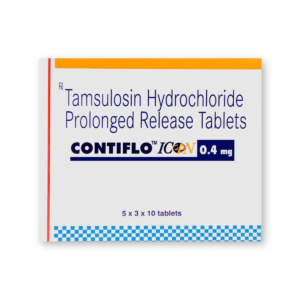 Price range: $37.35 through $101.68 Select options This product has multiple variants. The options may be chosen on the product page
-

Alpha Blockers, Tamsulosin + Dutasteride
Price range: $61.84 through $149.65 Select options This product has multiple variants. The options may be chosen on the product page -
Price range: $81.15 through $147.27 Select options This product has multiple variants. The options may be chosen on the product page
-
Price range: $97.52 through $265.46 Select options This product has multiple variants. The options may be chosen on the product page
-
 Price range: $51.72 through $140.81 Select options This product has multiple variants. The options may be chosen on the product page
-
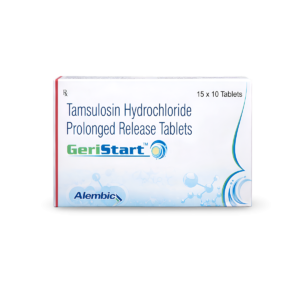 Price range: $36.14 through $98.39 Select options This product has multiple variants. The options may be chosen on the product page
-
Price range: $25.20 through $67.20 Select options This product has multiple variants. The options may be chosen on the product page
-

Alpha Blockers, Heart & Blood Pressure
Price range: $39.30 through $114.30 Select options This product has multiple variants. The options may be chosen on the product page -
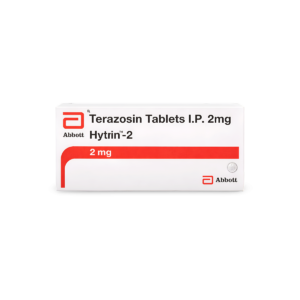
Alpha Blockers, Heart & Blood Pressure
Price range: $64.56 through $175.73 Select options This product has multiple variants. The options may be chosen on the product page -
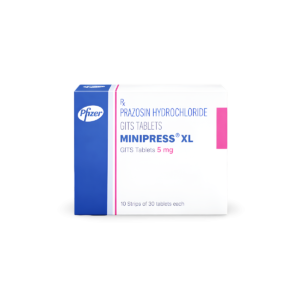 Price range: $34.08 through $92.77 Select options This product has multiple variants. The options may be chosen on the product page
-
Price range: $25.20 through $58.80 Select options This product has multiple variants. The options may be chosen on the product page
-
Price range: $28.00 through $67.20 Select options This product has multiple variants. The options may be chosen on the product page
-
Price range: $21.00 through $56.70 Select options This product has multiple variants. The options may be chosen on the product page
-
Price range: $49.00 through $132.30 Select options This product has multiple variants. The options may be chosen on the product page
-
Price range: $60.48 through $164.64 Select options This product has multiple variants. The options may be chosen on the product page
-
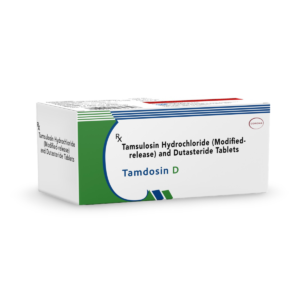
Alpha Blockers, Tamsulosin + Dutasteride
Price range: $61.65 through $167.82 Select options This product has multiple variants. The options may be chosen on the product page -
Price range: $61.00 through $147.60 Select options This product has multiple variants. The options may be chosen on the product page
-
Price range: $39.52 through $107.58 Select options This product has multiple variants. The options may be chosen on the product page
-
Price range: $68.80 through $187.30 Select options This product has multiple variants. The options may be chosen on the product page
Showing 1–20 of 43 results
What Are Alpha Blockers Used For?
Alpha blockers may be prescribed for several conditions, depending on the specific medicine.
1. High Blood Pressure
Some alpha blockers relax blood vessels, reducing resistance to blood flow and helping lower blood pressure. Examples include doxazosin, prazosin, and terazosin.
They are generally not the first choice for treating uncomplicated high blood pressure because other medicine classes often provide better evidence for preventing cardiovascular complications. An alpha blocker may be considered in selected patients, particularly when other conditions also influence treatment decisions.
2. Benign Prostatic Hyperplasia (BPH)
Benign prostatic hyperplasia is a noncancerous enlargement of the prostate that can restrict urine flow and cause lower urinary tract symptoms.
Alpha blockers such as tamsulosin, alfuzosin, silodosin, doxazosin, and terazosin relax smooth muscles in the prostate and bladder outlet. This may help reduce symptoms such as:
- Difficulty starting urination.
- A weak or interrupted urine stream.
- Frequent urination.
- Urgent need to urinate.
- Waking during the night to urinate.
- A sensation that the bladder has not emptied completely.
These medicines can improve urine flow and symptoms, but they do not shrink the prostate or cure BPH.
3. Urinary Symptoms Associated With Other Conditions
Some alpha blockers may be prescribed for selected urinary symptoms when a clinician determines that relaxing smooth muscle could be beneficial. The suitability of treatment depends on the underlying cause, which may require further investigation.
4. Pheochromocytoma
Pheochromocytoma is a rare tumour that can produce excessive catecholamines, hormones that may cause episodes of high blood pressure and other symptoms.
Alpha blockers such as phenoxybenzamine or doxazosin may be used under specialist supervision, often as part of preparation for surgery. The choice and timing of treatment require careful medical monitoring.
5. Raynaud’s Phenomenon and Other Selected Conditions
In certain circumstances, clinicians may consider an alpha blocker for conditions involving excessive blood vessel constriction. However, these medicines are not standard treatment for every circulation-related condition, and the potential benefits must be weighed against adverse effects such as low blood pressure.
Types of Alpha Blockers
Alpha blockers can be grouped according to the receptors they affect and their clinical uses.
1. Nonselective Alpha-1 and Alpha-2 Blockers
These medicines block both alpha-1 and alpha-2 adrenergic receptors.
Example:
- Phentolamine.
Phentolamine is used in selected specialist settings, including certain situations involving excessive catecholamine activity. Its effects and clinical applications differ from those of medicines commonly prescribed for prostate symptoms or routine hypertension.
2. Alpha-1 Selective Blockers
Alpha-1 blockers mainly inhibit alpha-1 receptors, which contribute to blood vessel constriction and smooth muscle contraction.
Examples include:
- Doxazosin.
- Prazosin.
- Terazosin.
- Tamsulosin.
- Alfuzosin.
- Silodosin.
Some of these medicines affect blood pressure more noticeably, while others are more selective for receptors involved in the prostate and bladder outlet.
3. Nonselective Alpha Blockers
Phenoxybenzamine blocks alpha-1 and alpha-2 receptors and has a prolonged effect. It is used primarily in specialist management of certain catecholamine-producing tumours, rather than as a routine treatment for high blood pressure or prostate symptoms.
Common Alpha Blocker Medicines
The following medicines have different indications and should only be used as directed by a healthcare professional.
Doxazosin
Doxazosin blocks alpha-1 receptors and may be prescribed for high blood pressure or urinary symptoms associated with BPH. It can lower blood pressure and may cause dizziness, particularly when treatment begins or the dose increases.
Prazosin
Prazosin is an alpha-1 blocker used to treat high blood pressure in selected patients. It may also be prescribed for other specific conditions under clinical guidance. Its blood-pressure-lowering effects can cause light-headedness or fainting, particularly after the first dose.
Terazosin
Terazosin may be used for high blood pressure and symptoms of BPH. Because it can lower blood pressure, clinicians generally take precautions when starting treatment or increasing the dose.
Tamsulosin
Tamsulosin primarily targets alpha-1 receptors involved in the prostate and bladder outlet. It is commonly used to improve urinary symptoms associated with BPH and usually has less effect on blood pressure than some other alpha blockers, although dizziness and low blood pressure can still occur.
Alfuzosin
Alfuzosin is used to relieve urinary symptoms associated with BPH by relaxing smooth muscle in the prostate and bladder outlet. It can cause dizziness or low blood pressure and may not be suitable for some people with certain heart rhythm problems or significant liver disease.
Silodosin
Silodosin selectively targets alpha-1 receptors involved in the lower urinary tract and is used to improve urinary symptoms associated with BPH. A common adverse effect is reduced or absent semen release during ejaculation. Kidney function can affect its suitability and dosing.
Phenoxybenzamine
Phenoxybenzamine is a longer-acting alpha blocker used in selected specialist settings, particularly for managing certain catecholamine-producing tumours. It is not a routine medicine for common urinary symptoms or uncomplicated hypertension.
How Do Alpha Blockers Work?
The sympathetic nervous system uses chemical messengers such as norepinephrine to regulate blood vessel tone and other involuntary body functions. Alpha-adrenergic receptors respond to these messengers and help control smooth muscle contraction.
Alpha blockers reduce the effects of these signals by attaching to alpha receptors and preventing or limiting their activation.
Their effects depend on the receptors they block:
- Blood vessels: Relaxation of smooth muscle can widen blood vessels and reduce resistance to blood flow.
- Prostate and bladder outlet: Relaxation of smooth muscle can reduce resistance to urine flow.
- Other tissues: Certain alpha blockers affect receptors involved in specialised medical conditions, requiring specific monitoring.
The effects may begin at different times depending on the medicine, formulation, and condition being treated. Some urinary symptoms may improve relatively quickly, but response varies between individuals.
Benefits of Alpha Blockers
When prescribed for an appropriate condition, alpha blockers may offer several benefits:
- Improve urinary flow in people with BPH.
- Reduce urinary hesitancy and other lower urinary tract symptoms.
- Lower blood pressure with selected medicines.
- Relax smooth muscle in tissues where alpha-adrenergic activity contributes to symptoms.
- Provide an option for specific conditions requiring specialist alpha-receptor blockade.
The benefits depend on the medicine and the diagnosis. Alpha blockers do not treat every cause of urinary symptoms, and symptom improvement does not necessarily mean that the underlying condition has resolved.
Side Effects of Alpha Blockers
Alpha blockers can cause side effects because they influence blood pressure and smooth muscle activity.
Dizziness and Light-Headedness
Blood pressure may fall when moving from a sitting or lying position to standing. This is known as orthostatic hypotension and can increase the risk of falls.
First-Dose Effect
Some alpha blockers, particularly medicines such as prazosin, doxazosin, and terazosin, may cause a pronounced drop in blood pressure after the first dose or following a dose increase. Follow the prescribed starting instructions and any advice about when to take the medicine.
Fatigue and Weakness
Some people experience tiredness, weakness, or reduced energy during treatment. These symptoms should be discussed with a clinician if they are persistent or interfere with daily activities.
Headache
Headache can occur as blood vessels relax or blood pressure changes. Severe or persistent symptoms warrant medical advice.
Nasal Congestion
Relaxation of blood vessels in the nasal lining may cause a blocked or stuffy nose in some people.
Ejaculation Changes
Medicines such as tamsulosin and silodosin may cause reduced semen volume or ejaculation changes. These effects should be discussed with a healthcare professional if they are troublesome.
Swelling
Some alpha blockers can cause fluid retention or swelling in the legs or ankles. New or significant swelling should be medically assessed.
Fainting
A substantial drop in blood pressure may cause fainting. If fainting occurs, seek prompt medical assessment, especially if it is accompanied by chest pain, shortness of breath, or an injury.
Precautions Before Taking Alpha Blockers
Before starting treatment, tell your healthcare professional about existing medical conditions, allergies, and all medicines or supplements you use.
Important precautions include:
- Low blood pressure: Alpha blockers can further lower blood pressure and may increase the risk of dizziness or fainting.
- Other blood pressure medicines: Combining treatments may increase the likelihood of low blood pressure.
- Erectile dysfunction medicines: Medicines such as sildenafil or tadalafil can also lower blood pressure. Their combination with an alpha blocker may cause symptomatic hypotension and requires clinician-guided precautions.
- Heart conditions: Some alpha blockers require particular caution in people with certain cardiovascular conditions.
- Kidney or liver problems: The suitability and dose of certain medicines may depend on kidney or liver function.
- Cataract surgery: Tell your eye surgeon if you currently take or previously took tamsulosin or another alpha blocker, as these medicines can be associated with intraoperative floppy iris syndrome during cataract surgery.
- Pregnancy and breastfeeding: Suitability depends on the specific medicine and clinical circumstances. Seek medical advice before use.
- Falls risk: Older adults and people with balance problems may need additional precautions because of dizziness and postural blood pressure changes.
Do not start, stop, or change the dose of an alpha blocker without professional guidance.
Drug Interactions
Alpha blockers may interact with other medicines, changing their effects or increasing the risk of adverse reactions.
Medicines for Erectile Dysfunction
Phosphodiesterase-5 inhibitors, including sildenafil and tadalafil, can lower blood pressure. When combined with an alpha blocker, they may cause dizziness, light-headedness, or fainting. A clinician may recommend specific dosing and timing precautions based on the medicines involved.
Other Blood Pressure Medicines
Combining alpha blockers with other antihypertensive medicines can increase the likelihood of low blood pressure. Monitoring and dose adjustments may be necessary.
Certain Antibiotics and Antifungal Medicines
Some medicines can affect the enzymes responsible for breaking down particular alpha blockers. This may increase medicine levels and the risk of side effects. Check with a pharmacist or clinician before combining treatments.
Alcohol
Alcohol may worsen dizziness or light-headedness and can increase the risk of a fall in blood pressure. Ask a healthcare professional whether alcohol should be avoided with your prescribed medicine.
Other Medicines That Cause Dizziness
Sedating medicines and other treatments that affect blood pressure may increase the risk of falls or impaired alertness when used alongside an alpha blocker.
The significance of an interaction depends on the exact medicines, doses, and individual health factors. Always provide a complete medication list to your healthcare professional.
Who Should Use Alpha Blockers With Caution?
Alpha blockers may require extra assessment or monitoring in people who:
- Have a history of fainting or low blood pressure.
- Take several medicines that lower blood pressure.
- Have certain heart rhythm or cardiovascular conditions.
- Have significant kidney or liver impairment, depending on the medicine.
- Are at increased risk of falls.
- Are scheduled for cataract surgery.
- Have urinary symptoms that have not been properly evaluated.
Difficulty urinating can have causes other than an enlarged prostate, including infection, medication effects, or other urinary tract conditions. A healthcare professional can determine whether an alpha blocker is appropriate.
Tips for Using Alpha Blockers Safely
- Take the medicine exactly as prescribed.
- Follow instructions regarding food and timing, as these vary by product.
- Rise slowly from sitting or lying positions, especially when beginning treatment.
- Avoid driving or operating machinery if you feel dizzy or faint.
- Do not double a dose to make up for a missed dose unless the product-specific instructions or your clinician direct you to do so.
- Ask a pharmacist what to do if you miss a dose or interrupt treatment.
- Inform your healthcare professional about any upcoming surgery, particularly cataract surgery.
- Attend recommended follow-up appointments to monitor symptoms and blood pressure.
Seek urgent medical care if you experience severe fainting, chest pain, difficulty breathing, or signs of a serious allergic reaction.
When to Seek Medical Advice for Urinary Symptoms
Urinary symptoms may be caused by BPH, but other conditions can produce similar problems. Medical assessment is important if you experience a weak urine stream, frequent urination, urgency, or repeated nighttime urination.
Seek urgent medical care if you:
- Cannot pass urine at all.
- Have blood in your urine, especially with clots or difficulty urinating.
- Experience painful urination with fever, chills, or severe illness.
- Develop severe lower abdominal pain or rapidly worsening urinary symptoms.
Alpha blockers can relieve some urinary symptoms, but they do not rule out other conditions or eliminate the need for appropriate evaluation.
Myths and Facts About Alpha Blockers
Myth 1: All alpha blockers treat the same conditions.
Fact: Different medicines in this class have different indications. Some are commonly used for BPH symptoms, while others may be prescribed for high blood pressure or specific specialist conditions.
Myth 2: Alpha blockers cure an enlarged prostate.
Fact: These medicines relax smooth muscle and may improve urine flow, but they do not shrink the prostate. Other treatment options may be considered depending on prostate size, symptoms, and complications.
Myth 3: Alpha blockers never affect blood pressure when used for urinary symptoms.
Fact: Medicines such as tamsulosin are more selective for receptors in the lower urinary tract, but dizziness and low blood pressure can still occur.
Myth 4: Alpha blockers can be combined freely with erectile dysfunction medicines.
Fact: Both medicine groups can lower blood pressure. Their combination requires professional assessment and appropriate precautions.
Myth 5: Side effects mean the medicine must always be stopped immediately.
Fact: Some side effects can be managed by adjusting treatment, but serious symptoms require prompt assessment. Do not change or discontinue prescribed treatment without appropriate medical guidance.
Myth 6: Alpha blockers are the preferred first treatment for everyone with high blood pressure.
Fact: They are not generally first-line treatment for uncomplicated hypertension. Other medicine classes are usually preferred, although alpha blockers may be useful in selected situations.
Frequently Asked Questions About Alpha Blockers
What is the main purpose of alpha blockers?
Alpha blockers block alpha-adrenergic receptors. Depending on the medicine, they may relax blood vessels to lower blood pressure or relax muscles around the prostate and bladder outlet to improve urinary symptoms.
Which alpha blockers are commonly used for BPH?
Tamsulosin, alfuzosin, silodosin, doxazosin, and terazosin are examples of alpha blockers used for urinary symptoms associated with BPH. The appropriate option depends on the person’s health, symptoms, and risk of side effects.
Do alpha blockers lower blood pressure?
Some alpha blockers significantly lower blood pressure. Others, such as tamsulosin and silodosin, are more focused on the lower urinary tract but can still cause blood pressure-related side effects.
How long do alpha blockers take to work?
The timing varies by medicine and condition. Some people notice improvement in urinary symptoms within days, while the overall response may take longer. Blood pressure effects can occur early in treatment.
Can alpha blockers cause dizziness?
Yes. Dizziness and light-headedness can occur because blood pressure may fall, particularly when standing. Rise slowly and contact your healthcare professional if symptoms persist or are severe.
Can alpha blockers be taken with sildenafil or tadalafil?
The combination may be possible in selected patients, but both medicine types can lower blood pressure. A healthcare professional should review the medicines and determine appropriate dosing and timing precautions.
Do alpha blockers shrink the prostate?
No. Alpha blockers relax smooth muscle around the prostate and bladder outlet to improve urine flow. They do not directly shrink prostate tissue.
Should alpha blockers be stopped once symptoms improve?
Do not stop treatment solely because symptoms have improved. The need for continued therapy depends on the medicine and the condition being treated. Discuss any change with your healthcare professional.
