
Anti Amebics
Anti-amebic medicines are medications used to treat infections caused by certain species of amoebae, particularly Entamoeba histolytica. This parasite can cause intestinal amebiasis, which may lead to diarrhea, abdominal pain, and dysentery. Amebiasis is generally transmitted through the ingestion of food or water contaminated with infectious parasite cysts. It can also spread through contact with contaminated hands or surfaces and through certain sexual activities involving fecal exposure. Read more
Showing all 8 results
-
 Price range: $35.11 through $88.20 Select options This product has multiple variants. The options may be chosen on the product page
-
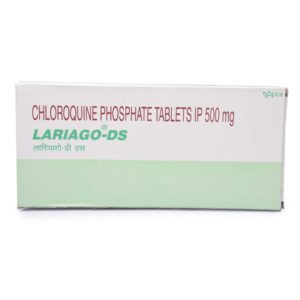
Anti Amebics, Chloroquine, Chloroquine (as phos)
Price range: $5.41 through $14.74 Select options This product has multiple variants. The options may be chosen on the product page -
Price range: $34.46 through $88.20 Select options This product has multiple variants. The options may be chosen on the product page
-
Price range: $17.23 through $42.00 Select options This product has multiple variants. The options may be chosen on the product page
-
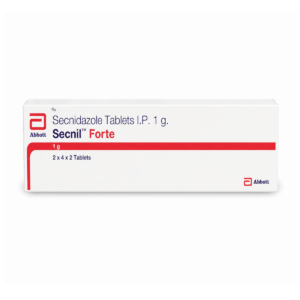 Price range: $46.90 through $126.63 Select options This product has multiple variants. The options may be chosen on the product page
-
Price range: $33.92 through $84.00 Select options This product has multiple variants. The options may be chosen on the product page
-
Price range: $23.75 through $92.16 Select options This product has multiple variants. The options may be chosen on the product page
-
Price range: $34.72 through $88.20 Select options This product has multiple variants. The options may be chosen on the product page
Showing all 8 results
Anti-amebic medicines should be selected according to the diagnosed infection and a healthcare professional’s recommendations. Not all intestinal symptoms are caused by amoebae, and inappropriate treatment may delay the diagnosis of another condition.
Uses of Anti-Amebic Medicines
Anti-amebic medicines are used to manage infections caused by susceptible amoebic parasites. Their specific uses depend on the medicine and the location of the infection.
Common treatment purposes include:
- Intestinal amebiasis: Treating infection caused by Entamoeba histolytica in the intestines.
- Amebic dysentery: Managing invasive intestinal infection associated with diarrhea, abdominal cramps, and blood or mucus in the stool.
- Amebic liver abscess: Treating infection that has spread from the intestine to the liver.
- Eliminating intestinal parasites: Using appropriate luminal medicines to clear organisms remaining in the intestinal tract after treatment of invasive disease.
- Reducing complications: Treating confirmed infection to help prevent progression and further tissue damage.
The correct medicine depends on whether the infection is asymptomatic, confined to the intestinal lumen, or causing invasive disease.
How Anti-Amebic Medicines Work
Anti-amebic medicines work through different mechanisms depending on their active ingredients.
Nitroimidazole Medicines
Metronidazole and tinidazole are nitroimidazole medicines used to treat invasive amebiasis. In susceptible organisms, these medicines form reactive compounds that damage essential cellular components and interfere with parasite survival.
They are used for infections affecting intestinal tissues and for extraintestinal disease, including amebic liver abscesses. However, they do not reliably eliminate all parasites remaining in the intestinal lumen, so a separate luminal agent is generally needed to complete treatment.
Luminal Anti-Amebic Medicines
Luminal agents act primarily within the intestinal tract, where they target parasites residing in the intestinal lumen.
Paromomycin is one example. It is an aminoglycoside antibiotic that is poorly absorbed from the gastrointestinal tract when taken orally and can act against susceptible intestinal organisms.
Luminal treatment is particularly important for clearing intestinal carriage of E. histolytica after invasive infection has been treated.
Types of Anti-Amebic Medicines
1. Metronidazole
Metronidazole is an antimicrobial medicine used to treat several infections caused by susceptible anaerobic organisms and certain parasites, including invasive amebiasis.
It may be prescribed for intestinal amebiasis and amebic liver abscess. Because it does not reliably clear organisms remaining in the intestinal lumen, treatment is generally followed by a luminal anti-amebic medicine.
Possible side effects include nausea, abdominal discomfort, diarrhea, and a metallic taste. Alcohol should be avoided during treatment and for the period specified in the medicine’s official instructions.
2. Tinidazole
Tinidazole is another nitroimidazole medicine used for certain protozoal infections, including invasive amebiasis.
It works by damaging susceptible organisms and may be prescribed as an alternative to metronidazole, depending on the diagnosis and clinical circumstances. A luminal agent is generally required after treatment of invasive amebiasis.
Possible side effects include nausea, stomach discomfort, headache, and a metallic or bitter taste. Patients should follow the product instructions regarding alcohol and discuss potential medicine interactions with a healthcare professional.
3. Paromomycin
Paromomycin is an aminoglycoside antibiotic that can be used orally as a luminal agent for intestinal E. histolytica infection.
It acts mainly within the intestinal tract because little of the oral dose is absorbed under normal circumstances. It is commonly used after treatment of invasive amebiasis to help eliminate remaining intestinal parasites.
Possible side effects include abdominal cramps, nausea, and diarrhea. People with intestinal damage or certain medical conditions may require additional assessment because absorption and adverse-effect risks can differ.
4. Iodoquinol
Iodoquinol is a luminal anti-amebic medicine that has been used to treat intestinal infections caused by susceptible amoebae.
Its availability and recommended use vary by country. It is not a substitute for tissue-active treatment when invasive amebiasis is present.
Potential adverse effects and precautions depend on the formulation and duration of treatment. It should be used only under appropriate medical guidance.
5. Diloxanide Furoate
Diloxanide furoate is a luminal anti-amebic medicine used in some countries to treat intestinal carriage of E. histolytica.
It acts primarily within the intestinal tract and may be considered for clearing parasites that remain after treatment of invasive disease. Availability differs between regions, and it may not be routinely accessible everywhere.
Possible side effects include nausea, abdominal discomfort, and flatulence. A healthcare professional should determine whether it is appropriate for the diagnosed infection.
Benefits of Appropriate Anti-Amebic Treatment
When an infection is correctly diagnosed and treated, anti-amebic medicines may help:
- Eliminate susceptible amoebic parasites.
- Improve diarrhea and other gastrointestinal symptoms caused by infection.
- Treat invasive intestinal disease.
- Manage amebic liver abscess when used as part of an appropriate treatment plan.
- Clear parasites remaining in the intestinal lumen.
- Reduce the risk of ongoing infection and certain complications.
The outcome depends on the parasite, the extent of infection, the medicine selected, and adherence to the prescribed treatment plan.
Possible Side Effects of Anti-Amebic Medicines
Side effects vary according to the active ingredient, dose, duration of treatment, and individual health factors.
Possible effects include:
- Nausea or vomiting.
- Abdominal pain or discomfort.
- Diarrhea or changes in bowel habits.
- Metallic or bitter taste.
- Headache or dizziness.
- Reduced appetite.
- Skin rash or other allergic reactions.
Some medicines can cause less common but more serious adverse effects. Metronidazole, for example, can rarely cause nerve-related symptoms, particularly with prolonged or repeated exposure.
Seek medical attention if symptoms become severe or persist. Urgent assessment is necessary for signs of a serious allergic reaction, severe abdominal pain, bloody diarrhea, dehydration, or symptoms suggesting liver involvement.
Precautions Before Using Anti-Amebic Medicines
Before starting treatment, patients should discuss their symptoms, medical history, and current medicines with a healthcare professional.
- Confirm the diagnosis: Diarrhea and abdominal pain can result from many conditions. Testing may be required to identify the cause.
- Complete the prescribed treatment: Follow the recommended schedule and do not stop treatment early without medical advice.
- Check medicine interactions: Metronidazole and tinidazole can interact with certain medicines, including some anticoagulants.
- Avoid alcohol when instructed: Follow the medicine-specific guidance for avoiding alcohol during and after treatment.
- Discuss pregnancy and breastfeeding: The suitability of each medicine depends on the specific drug and clinical situation.
- Mention liver or kidney conditions: These conditions may affect medicine selection, dosing, or monitoring.
- Avoid self-medication: Do not use leftover antibiotics or anti-parasitic medicines without an appropriate diagnosis.
- Seek urgent care for severe symptoms: Blood in the stool, high fever, severe abdominal pain, persistent vomiting, or signs of dehydration warrant prompt medical evaluation.
Prevention of Amebiasis
Reducing exposure to contaminated food and water can help prevent amebiasis.
- Drink safe, treated, or properly boiled water when water quality is uncertain.
- Wash hands with soap and water after using the toilet and before preparing or eating food.
- Wash fruits and vegetables carefully using safe water.
- Avoid food that may have been prepared under unhygienic conditions.
- Maintain safe sanitation and proper waste disposal.
- Use appropriate precautions to reduce fecal exposure during sexual activity.
Good hygiene and safe food-handling practices are important because infection can occur even when symptoms are mild or absent.
Anti-Amebic Medicines: Myths and Facts
Myth 1: All types of diarrhea are caused by amoebae.
Fact: Diarrhea can result from viruses, bacteria, parasites, food intolerance, medicines, and other conditions. Anti-amebic treatment is appropriate only when the infection or clinical circumstances justify its use.
Myth 2: One anti-amebic medicine treats every type of amebiasis completely.
Fact: Different medicines act in different parts of the body. Invasive amebiasis generally requires a tissue-active medicine followed by a luminal agent to clear parasites remaining in the intestine.
Myth 3: Symptoms disappearing means the infection is completely eliminated.
Fact: Symptoms may improve before intestinal parasites are fully cleared. Completing the prescribed treatment, including any recommended luminal medicine, is important.
Myth 4: Anti-amebic medicines can be taken without medical advice.
Fact: These medicines can cause adverse effects and interact with other drugs. Diagnosis and treatment selection should be guided by a qualified healthcare professional.
Myth 5: Amebiasis only affects people in places with poor sanitation.
Fact: Exposure risk is higher where sanitation and water treatment are inadequate, but infection can occur in other settings as well. Safe food, water, and hygiene practices help reduce risk.
Frequently Asked Questions About Anti-Amebic Medicines
1. What are anti-amebic medicines?
Anti-amebic medicines are drugs used to treat infections caused by susceptible amoebae, particularly Entamoeba histolytica. The specific treatment depends on the location and severity of the infection.
2. What is metronidazole used for?
Metronidazole is used for several susceptible anaerobic bacterial and protozoal infections, including invasive amebiasis. In amebiasis, it is generally followed by a luminal medicine to clear remaining intestinal parasites.
3. What is the difference between metronidazole and paromomycin?
Metronidazole treats invasive infection by acting on parasites in tissues. Oral paromomycin acts mainly within the intestinal lumen and is used to eliminate susceptible parasites remaining in the gut.
4. Can anti-amebic medicines treat bloody diarrhea?
They may be used when bloody diarrhea is caused by confirmed or strongly suspected invasive amebiasis. However, bloody diarrhea has several possible causes and requires prompt medical assessment rather than self-treatment.
5. How long does anti-amebic treatment take?
Treatment duration depends on the medicine, type of infection, and clinical severity. A healthcare professional determines the appropriate regimen, including whether a second medicine is needed.
6. Can anti-amebic medicines cause side effects?
Yes. Common effects include nausea, abdominal discomfort, diarrhea, and changes in taste. The type and severity of side effects vary by medicine.
7. Should alcohol be avoided during anti-amebic treatment?
Alcohol should be avoided when required by the specific medicine’s instructions. Metronidazole and tinidazole have alcohol-related precautions, so patients should follow the product information and their clinician’s advice.
8. Can amebiasis occur without symptoms?
Yes. Some people infected with E. histolytica have no noticeable symptoms but may still carry the parasite. A healthcare professional can determine whether treatment is necessary.
9. Can anti-amebic medicines prevent future infection?
Treatment can eliminate the current infection when appropriately selected, but it does not provide lasting immunity. Exposure to contaminated food or water can lead to reinfection.
10. When should medical help be sought?
Prompt medical assessment is important for bloody diarrhea, persistent fever, severe abdominal pain, dehydration, or ongoing symptoms. Severe upper abdominal pain or fever may indicate an extraintestinal complication, such as a liver abscess.
