
Bladder & Prostate
The bladder and prostate are important parts of the urinary system, particularly in men. The bladder stores urine until it is ready to be released, while the prostate is a small gland located below the bladder that surrounds part of the urethra. The prostate produces fluid that contributes to semen. Read more
Showing 1–20 of 64 results
-
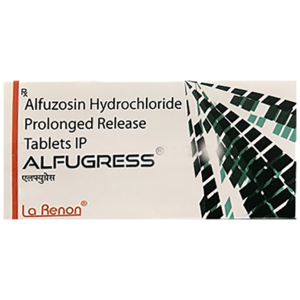 Price range: $67.81 through $184.59 Select options This product has multiple variants. The options may be chosen on the product page
-
 Price range: $35.78 through $97.39 Select options This product has multiple variants. The options may be chosen on the product page
-

Bladder & Prostate, Solifenacin
Price range: $153.98 through $200.63 Select options This product has multiple variants. The options may be chosen on the product page -

Bladder & Prostate, Dutasteride
Price range: $46.37 through $126.14 Select options This product has multiple variants. The options may be chosen on the product page -

Beta-Sitosterol, Bladder & Prostate
Price range: $6.27 through $15.55 Select options This product has multiple variants. The options may be chosen on the product page -

Bladder & Prostate, Solifenacin
Price range: $299.53 through $395.63 Select options This product has multiple variants. The options may be chosen on the product page -

Bladder & Prostate, Solifenacin
Price range: $254.45 through $384.82 Select options This product has multiple variants. The options may be chosen on the product page -
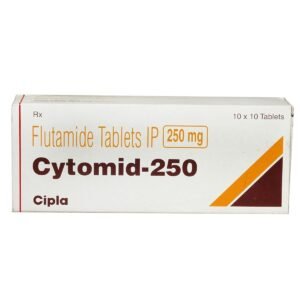 Price range: $18.48 through $50.40 Select options This product has multiple variants. The options may be chosen on the product page
-
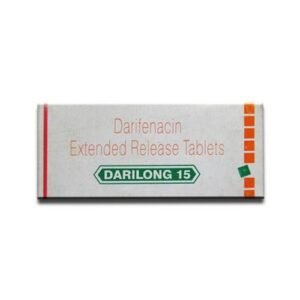
Bladder & Prostate, Darifenacin XR
Price range: $21.00 through $52.92 Select options This product has multiple variants. The options may be chosen on the product page -

Bladder & Prostate, Tolterodine
Price range: $20.74 through $51.79 Select options This product has multiple variants. The options may be chosen on the product page -
Bladder & Prostate, Tolterodine
Price range: $23.91 through $60.48 Select options This product has multiple variants. The options may be chosen on the product page -

Bladder & Prostate, Dutasteride
Price range: $49.13 through $133.74 Select options This product has multiple variants. The options may be chosen on the product page -

Bladder & Prostate, Dutasteride
Price range: $48.31 through $131.50 Select options This product has multiple variants. The options may be chosen on the product page -
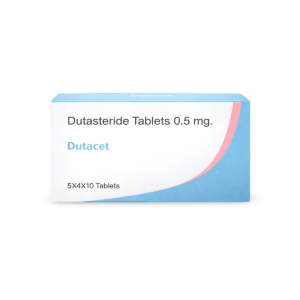
Bladder & Prostate, Dutasteride
Price range: $53.52 through $145.69 Select options This product has multiple variants. The options may be chosen on the product page -

Bladder & Prostate, Dutasteride
Price range: $77.17 through $210.09 Select options This product has multiple variants. The options may be chosen on the product page -

Bladder & Prostate, Dutasteride
Price range: $16.80 through $45.90 Select options This product has multiple variants. The options may be chosen on the product page -

Bladder & Prostate, Dutasteride
Price range: $58.50 through $159.26 Select options This product has multiple variants. The options may be chosen on the product page -

Bladder & Prostate, Dutasteride
Price range: $16.80 through $46.80 Select options This product has multiple variants. The options may be chosen on the product page -
Bladder & Prostate, Dutasteride
Price range: $38.02 through $82.79 Select options This product has multiple variants. The options may be chosen on the product page -

Bladder & Prostate, Dutasteride
Price range: $69.21 through $188.41 Select options This product has multiple variants. The options may be chosen on the product page
Showing 1–20 of 64 results
Bladder and prostate medicines are used to manage specific urinary conditions, including overactive bladder, benign prostatic hyperplasia (BPH), and certain urinary symptoms associated with other medical problems. The appropriate treatment depends on the underlying cause, the patient’s symptoms, medical history, and other medicines.
Uses of Bladder & Prostate Medicines
Medicines for bladder and prostate conditions are designed to improve urinary symptoms or manage the underlying condition. Different medicines have different purposes.
Common uses include:
- Overactive bladder: Certain medicines help reduce sudden urges to urinate, frequent urination, and urge-related urine leakage.
- Benign prostatic hyperplasia (BPH): Some medicines relax the muscles around the prostate and bladder outlet or gradually reduce prostate size.
- Difficulty passing urine: Selected medicines may improve urine flow when symptoms are associated with prostate enlargement.
- Urinary urgency and frequency: Treatment may help reduce symptoms after the cause has been assessed.
- Urinary incontinence: Certain medicines may help manage specific types of urine leakage.
- Other urinary conditions: Treatment depends on the diagnosis and may involve medicines, lifestyle measures, or specialist care.
Not all urinary symptoms are caused by prostate enlargement or an overactive bladder. A healthcare professional may recommend urine tests, blood tests, imaging, or other assessments to identify the cause.
How Bladder & Prostate Medicines Work
Bladder and prostate medicines work in different ways depending on the condition being treated.
Some medicines relax smooth muscles in the prostate and bladder neck, allowing urine to pass more easily. Others block hormonal processes involved in prostate growth, gradually reducing prostate size. Medicines for overactive bladder may reduce unwanted bladder contractions or influence signals involved in bladder storage.
The effects can differ considerably between medicines. Some may improve urinary flow relatively quickly, while others may require several months to provide their full benefit. Treatment should be selected according to the patient’s diagnosis and response.
Common Types of Bladder & Prostate Medicines
1. Alpha-Blockers
Alpha-blockers relax muscles in the prostate and bladder neck, helping urine flow more easily in men with BPH-related urinary symptoms.
Examples include:
- Tamsulosin.
- Alfuzosin.
- Doxazosin.
- Silodosin.
These medicines may improve symptoms such as a weak urine stream, difficulty starting urination, and frequent nighttime urination. They do not usually shrink the prostate itself.
Possible side effects include dizziness, light-headedness, low blood pressure, and changes in ejaculation. Some alpha-blockers may also affect the way the iris behaves during cataract surgery, so inform your eye surgeon if you take or have previously taken one.
2. 5-Alpha-Reductase Inhibitors
These medicines reduce the conversion of testosterone into dihydrotestosterone (DHT), a hormone involved in prostate growth. They may gradually reduce prostate size and lower the risk of certain complications associated with an enlarged prostate.
Examples include finasteride and dutasteride.
These medicines are generally used for selected patients with an enlarged prostate and may take several months to produce noticeable benefits. Potential side effects include reduced sexual desire, erectile difficulties, and changes in ejaculation. They can also affect prostate-specific antigen (PSA) test results, so healthcare professionals should know if a patient is taking them.
3. Antimuscarinic Medicines
Antimuscarinic medicines reduce involuntary bladder contractions and may help manage overactive bladder symptoms, including urinary urgency, frequent urination, and urge incontinence.
Examples include oxybutynin, tolterodine, and solifenacin.
Potential side effects include dry mouth, constipation, blurred vision, and difficulty emptying the bladder. These medicines may not be suitable for people with urinary retention or certain other medical conditions.
4. Beta-3 Adrenergic Agonists
Beta-3 adrenergic agonists relax the bladder muscle during the storage phase, helping the bladder hold urine and potentially reducing urgency and frequency.
Examples include mirabegron and vibegron, where available.
Possible side effects vary by medicine. Mirabegron can increase blood pressure in some patients and may not be suitable for people with severely uncontrolled hypertension. A healthcare professional should review blood pressure and possible interactions before treatment.
5. Phosphodiesterase Type 5 (PDE5) Inhibitors
Certain PDE5 inhibitors may be prescribed for erectile dysfunction and, in some cases, urinary symptoms associated with BPH.
Tadalafil is an example of a medicine that may be used for both conditions under appropriate medical guidance.
Potential side effects include headache, flushing, indigestion, nasal congestion, and back pain. Tadalafil must not be combined with nitrate medicines because the combination can cause a dangerous drop in blood pressure.
6. Medicines for Urinary Tract Infections
When urinary symptoms are caused by a bacterial urinary tract infection, an appropriate antibiotic may be prescribed after clinical assessment. The choice depends on the likely bacteria, test results when needed, local resistance patterns, allergies, and individual health factors.
Antibiotics do not treat prostate enlargement or overactive bladder, and they should not be used for urinary symptoms without an appropriate medical indication.
Available Forms of Bladder & Prostate Medicines
Medicines for bladder and prostate conditions may be supplied in different formulations.
- Tablets: Commonly used for BPH, overactive bladder, and other urinary conditions.
- Capsules: Available for certain prostate and urinary treatments.
- Extended-release tablets or capsules: Designed to release medicine gradually according to the formulation.
- Oral liquids: Available for selected medicines when a liquid formulation is appropriate.
- Other specialist treatments: Certain urinary conditions may require medicines administered in a clinical setting or treatment that does not involve oral medication.
The formulation and dose should match the specific medicine and the patient’s needs. Do not crush or split extended-release products unless the product instructions or a pharmacist confirm that doing so is safe.
Benefits of Bladder & Prostate Medicines
When appropriately prescribed, these medicines may help manage urinary symptoms and improve daily comfort.
- Improved urine flow: Certain prostate medicines help relax muscles around the bladder outlet.
- Reduced urinary urgency: Overactive bladder treatments may help control sudden urges to urinate.
- Fewer nighttime interruptions: Appropriate treatment may reduce nighttime urination for some patients.
- Management of prostate enlargement: Certain medicines can gradually reduce prostate size and the risk of related complications.
- Support for daily activities: Better symptom control may make work, travel, sleep, and everyday routines easier.
The benefits depend on the underlying condition, the specific medicine, and individual response. Some symptoms may require additional evaluation or treatment.
Possible Side Effects
Side effects vary by medicine class and individual health factors.
Common or possible effects include:
- Dizziness or light-headedness.
- Headache.
- Dry mouth.
- Constipation.
- Changes in ejaculation.
- Reduced sexual desire.
- Erectile difficulties.
- Changes in blood pressure.
- Nausea or stomach discomfort.
Seek medical attention for serious symptoms, including inability to pass urine, blood in the urine, severe allergic reactions, fainting, or severe pain. Sudden inability to urinate can be an emergency and requires immediate medical assessment.
Precautions Before Taking Bladder & Prostate Medicines
Before starting treatment, tell your healthcare professional about your medical history, current symptoms, allergies, and all medicines or supplements you use.
Important precautions include:
- Urinary retention: Some bladder medicines can worsen difficulty emptying the bladder.
- Blood pressure: Alpha-blockers may cause dizziness or low blood pressure, while certain beta-3 agonists may raise blood pressure.
- Kidney or liver problems: Some medicines may require dose adjustments or additional monitoring.
- Eye surgery: Inform your eye surgeon if you take or have taken an alpha-blocker.
- Other medicines: Several bladder and prostate medicines can interact with blood-pressure medicines, erectile dysfunction treatments, and other prescriptions.
- Pregnancy precautions: Finasteride and dutasteride require particular care around pregnancy because exposure can harm the development of a male fetus. Follow product-specific handling instructions.
Do not start, stop, or change prescribed treatment without professional advice.
Common Bladder and Prostate Conditions
Benign Prostatic Hyperplasia (BPH)
BPH is a noncancerous enlargement of the prostate that becomes more common with age. Because the prostate surrounds part of the urethra, enlargement may restrict urine flow.
Symptoms can include a weak stream, difficulty starting urination, frequent urination, nighttime urination, urgency, and a feeling of incomplete bladder emptying. Treatment may involve lifestyle adjustments, medicines, or a procedure, depending on symptom severity and complications.
Overactive Bladder
Overactive bladder is associated with sudden urinary urgency, often accompanied by frequent urination and nighttime waking. Some people also experience urge incontinence.
Management may include bladder training, changes in fluid or caffeine intake, pelvic floor exercises, and medicines when appropriate. A healthcare professional can help determine whether another condition is contributing to the symptoms.
Urinary Incontinence
Urinary incontinence refers to the involuntary leakage of urine. It can occur for several reasons, including bladder overactivity, pelvic floor weakness, certain neurological conditions, or prostate-related problems.
Treatment depends on the type and cause of leakage and may include behavioural measures, pelvic floor training, medicines, or specialist procedures.
Prostatitis
Prostatitis refers to inflammation or a condition involving the prostate that may cause pelvic discomfort, painful urination, urinary symptoms, or pain during ejaculation. Some forms are associated with bacterial infection, while others are not.
Treatment depends on the type of prostatitis. Antibiotics are appropriate for bacterial cases when indicated, but they do not treat every form of prostate inflammation or pelvic pain.
Lifestyle Measures for Bladder and Prostate Health
Lifestyle adjustments may help some people manage urinary symptoms alongside prescribed treatment.
- Reduce caffeine if it worsens urgency or frequency.
- Limit alcohol if it aggravates urinary symptoms.
- Maintain adequate hydration without excessive fluid intake.
- Consider reducing fluids close to bedtime if nighttime urination is troublesome, while avoiding dehydration.
- Maintain a healthy weight and remain physically active as appropriate.
- Discuss bladder training or pelvic floor exercises with a healthcare professional.
- Keep a record of urinary frequency, nighttime waking, and other symptoms if advised.
Lifestyle measures do not replace medical assessment, particularly when symptoms are new, persistent, or worsening.
Frequently Asked Questions About Bladder & Prostate Medicines
1. What are bladder and prostate medicines used for?
They are used to manage conditions such as BPH, overactive bladder, urinary urgency, frequent urination, and certain types of urinary incontinence. The correct treatment depends on the underlying cause.
2. What medicines are commonly used for an enlarged prostate?
Alpha-blockers such as tamsulosin may relax muscles around the prostate and bladder outlet. Finasteride and dutasteride may gradually reduce prostate size in selected patients. A healthcare professional can determine which treatment is appropriate.
3. Do prostate medicines work immediately?
Some medicines, such as alpha-blockers, may improve urinary symptoms relatively quickly. Medicines that reduce prostate size usually take several months to provide their full benefit.
4. Can bladder medicines cause urinary retention?
Yes. Some medicines used for overactive bladder can make it more difficult to empty the bladder, especially in people who already have an obstruction or urinary retention. Seek medical advice if urination becomes significantly more difficult.
5. Can these medicines affect sexual function?
Some prostate medicines may affect ejaculation, sexual desire, or erectile function. The likelihood and severity depend on the medicine and individual response. Discuss persistent or troublesome effects with a healthcare professional.
6. Can bladder and prostate medicines be taken together?
Sometimes, but combinations require professional assessment. Certain medicines may be used together to manage BPH or overlapping urinary symptoms, while others may increase the risk of low blood pressure, urinary retention, or other side effects.
7. Is frequent urination always a sign of prostate enlargement?
No. Frequent urination can result from overactive bladder, urinary infection, diabetes, certain medicines, excessive fluid intake, or other conditions. A proper assessment can help identify the cause.
8. When should I seek medical attention for urinary symptoms?
Arrange a medical assessment for persistent or worsening urinary symptoms, blood in the urine, painful urination, or recurrent urinary infections. Seek urgent care if you cannot pass urine, develop severe pain, or experience fever with significant urinary or pelvic symptoms.