
Weight Loss
Weight loss refers to a reduction in body weight that may result from changes in body fat, muscle mass, fluid levels, or a combination of these factors. For people living with overweight or obesity, gradual and sustainable weight loss may improve overall health and help reduce the risk of certain weight-related conditions. Read more
Showing 1–20 of 21 results
-

Hydroxychloroquine, Weight Loss
Price range: $7.80 through $21.06 Select options This product has multiple variants. The options may be chosen on the product page -
 Price range: $64.62 through $175.91 Select options This product has multiple variants. The options may be chosen on the product page
-
 Price range: $123.78 through $336.96 Select options This product has multiple variants. The options may be chosen on the product page
-
 Price range: $70.83 through $192.82 Select options This product has multiple variants. The options may be chosen on the product page
-
 Price range: $45.43 through $122.65 Select options This product has multiple variants. The options may be chosen on the product page
-
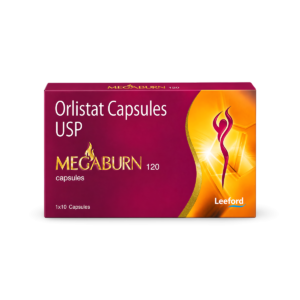 Price range: $54.60 through $147.40 Select options This product has multiple variants. The options may be chosen on the product page
-
 Price range: $27.30 through $73.70 Select options This product has multiple variants. The options may be chosen on the product page
-
 Price range: $60.75 through $164.03 Select options This product has multiple variants. The options may be chosen on the product page
-
 Price range: $63.00 through $171.50 Select options This product has multiple variants. The options may be chosen on the product page
-
 Price range: $131.49 through $357.95 Select options This product has multiple variants. The options may be chosen on the product page
-
Price range: $54.20 through $147.55 Select options This product has multiple variants. The options may be chosen on the product page
-
 Price range: $69.19 through $186.81 Select options This product has multiple variants. The options may be chosen on the product page
-
 Price range: $41.40 through $111.78 Select options This product has multiple variants. The options may be chosen on the product page
-
 Price range: $31.66 through $80.64 Select options This product has multiple variants. The options may be chosen on the product page
-
 Price range: $64.20 through $174.77 Select options This product has multiple variants. The options may be chosen on the product page
-
 Price range: $57.77 through $157.26 Select options This product has multiple variants. The options may be chosen on the product page
-
 Price range: $79.62 through $216.75 Select options This product has multiple variants. The options may be chosen on the product page
-
 Price range: $42.05 through $114.46 Select options This product has multiple variants. The options may be chosen on the product page
-
Price range: $20.10 through $55.80 Select options This product has multiple variants. The options may be chosen on the product page
-
 Price range: $57.00 through $152.19 Select options This product has multiple variants. The options may be chosen on the product page
Showing 1–20 of 21 results
Weight management can involve dietary changes, regular physical activity, behavioural support, medical evaluation, and, when appropriate, prescription medicines. Weight loss medicines work through different mechanisms, such as reducing appetite, increasing feelings of fullness, or affecting how the body regulates hunger and food intake.
The most appropriate approach depends on an individual’s body mass index (BMI), medical history, current medicines, lifestyle, and personal health goals. Weight loss products are not suitable for everyone, and the safety and effectiveness of supplements can vary considerably.
Uses of Weight Loss Medicines
Weight loss medicines may be prescribed for adults with obesity or for people who are overweight and have certain weight-related health conditions. Eligibility depends on the specific medicine, local prescribing guidance, and individual medical assessment.
Potential treatment goals include:
- Managing obesity: Supporting weight reduction alongside a structured lifestyle programme.
- Reducing excess body weight: Helping eligible individuals achieve and maintain clinically meaningful weight loss.
- Supporting metabolic health: Weight reduction may improve certain risk factors, such as blood glucose, blood pressure, and cholesterol, depending on the individual.
- Managing weight-related conditions: Some treatments may be appropriate for people with obesity-related health concerns.
- Long-term weight management: Certain medicines may help maintain weight loss while treatment continues, when prescribed and monitored appropriately.
Weight loss medicines are not intended solely for cosmetic weight reduction, and they should not replace balanced nutrition, physical activity, or appropriate medical care.
How Weight Loss Medicines Work
Weight loss medicines work in different ways, depending on the active ingredient.
Some medicines act on appetite and fullness signals in the brain and digestive system, helping people feel satisfied after eating or reducing hunger. Others reduce the absorption of some dietary fat in the digestive tract. Certain medicines affect multiple pathways involved in appetite regulation and blood sugar control.
The response varies between individuals. Weight loss may also be influenced by diet, activity levels, sleep, other medicines, hormonal conditions, and underlying health factors.
A healthcare professional can help determine whether medication is appropriate and explain its expected benefits, limitations, and possible risks.
Common Types of Weight Loss Medicines
1. GLP-1 Receptor Agonists
Glucagon-like peptide-1 (GLP-1) receptor agonists act on pathways involved in appetite regulation, fullness, and blood glucose control. Some medicines in this class are approved for chronic weight management in eligible patients, while others have different approved indications.
Examples include semaglutide and liraglutide in specific formulations approved for weight management.
Potential benefits include reduced appetite and support for weight reduction when combined with lifestyle changes. Common side effects include nausea, vomiting, diarrhoea, constipation, and abdominal discomfort. These medicines have important precautions and are not suitable for everyone.
The approved indication, dose, and formulation must be checked for the specific product. A formulation approved for diabetes should not automatically be assumed to be approved for weight management.
2. Dual GIP and GLP-1 Receptor Agonists
Tirzepatide acts on glucose-dependent insulinotropic polypeptide (GIP) and GLP-1 receptors. Depending on the country and product, it may be approved for type 2 diabetes, chronic weight management, or both.
It influences appetite regulation and metabolic processes and may support substantial weight reduction in eligible patients when used with lifestyle changes.
Possible side effects include nausea, diarrhoea, vomiting, constipation, and abdominal discomfort. It also has important precautions, including warnings concerning certain thyroid tumour risks in the United States prescribing information. Product-specific guidance and local approval should be checked with a healthcare professional.
3. Lipase Inhibitors
Orlistat is a lipase inhibitor that reduces the absorption of some fat from food in the digestive tract. The unabsorbed fat passes out of the body in the stool.
Possible side effects include oily stools, gas with discharge, increased bowel movements, and abdominal discomfort. A reduced-calorie diet with an appropriate fat intake may help manage gastrointestinal effects.
Orlistat can affect the absorption of fat-soluble vitamins and interact with certain medicines, so professional advice is important before use.
4. Other Prescription Weight Management Medicines
Other medicines may be approved for weight management in certain countries, including combinations that influence appetite-related brain pathways.
Examples include naltrexone/bupropion and phentermine/topiramate in jurisdictions where these combinations are approved. Availability, restrictions, and suitability vary by country.
These medicines can have important contraindications and interactions. For example, some are unsuitable for people with uncontrolled high blood pressure, seizure disorders, particular psychiatric conditions, or certain medication regimens. They require individual medical assessment and monitoring.
5. Weight Loss Supplements
Weight loss supplements may contain ingredients such as fibre, caffeine, plant extracts, or other compounds marketed for appetite control or metabolism support.
Evidence for effectiveness and safety varies considerably, and many products have limited high-quality evidence. Some may contain undeclared pharmaceutical ingredients or substances that can affect blood pressure, heart rate, or liver function.
A product labelled “natural” is not necessarily safe. Discuss supplements with a healthcare professional or pharmacist, particularly if you have an existing health condition or take prescription medicines.
Available Forms of Weight Loss Products
Weight management products are supplied in several forms, depending on the active ingredient and intended use.
- Tablets: Used for certain prescription medicines and some non-prescription products.
- Capsules: Available for specific medicines and supplements.
- Oral liquids: Offered for selected formulations where approved.
- Injections: Certain prescription medicines are administered by injection using a prescribed schedule.
- Powders and fibre products: Some products are intended to supplement dietary fibre intake rather than act as prescription weight loss medicines.
These forms are not interchangeable. Follow the instructions for the specific product and avoid using unverified products with unclear ingredients or dosage information.
Benefits of Weight Loss Treatment
For eligible individuals, a structured weight management plan may provide several benefits.
- Support for weight reduction: Appropriate treatment may help reduce excess body weight.
- Improved appetite control: Certain medicines may help reduce hunger or increase feelings of fullness.
- Better metabolic health: Weight loss may improve some blood glucose, blood pressure, and cholesterol measures.
- Improved mobility: Reducing excess weight may ease physical strain for some people.
- Long-term health support: Sustainable weight management may help lower the risk of selected obesity-related complications.
Results vary depending on the medicine, lifestyle measures, medical history, and treatment duration. Not everyone responds in the same way, and weight regain can occur after treatment stops.
Possible Side Effects of Weight Loss Medicines
Side effects depend on the medicine and the individual. Common effects associated with some weight loss treatments include:
- Nausea.
- Vomiting.
- Diarrhoea.
- Constipation.
- Abdominal discomfort.
- Headache.
- Dizziness.
- Changes in appetite.
Some medicines can cause more serious effects or may be unsuitable for people with certain medical conditions. Depending on the product, risks may include gallbladder problems, pancreatitis, changes in heart rate or blood pressure, mood-related effects, or interactions with other medicines.
Seek medical attention for severe or persistent abdominal pain, repeated vomiting, signs of dehydration, a severe allergic reaction, or other serious symptoms. Read the product information and discuss individual risks with a healthcare professional before treatment.
Precautions Before Using Weight Loss Medicines
Before starting a weight loss medicine or supplement, discuss your health history and current medicines with a qualified healthcare professional.
Important considerations include:
- Pregnancy: Weight loss medicines are generally not appropriate during pregnancy. Anyone who is pregnant, planning pregnancy, or breastfeeding should obtain specific medical advice.
- Existing health conditions: Diabetes, digestive disorders, kidney or liver disease, high blood pressure, and other conditions can affect treatment suitability.
- Medicine interactions: Weight loss products may interact with diabetes medicines, blood pressure treatments, anticoagulants, psychiatric medicines, and other drugs.
- Eating patterns and nutrition: A healthcare professional can help ensure that weight reduction does not lead to inadequate nutrition.
- Product authenticity: Obtain prescription medicines through legitimate, regulated channels and avoid products with unclear ingredients or claims of rapid, guaranteed results.
- Monitoring: Some treatments require follow-up to assess weight changes, side effects, and other health measures.
Do not combine multiple weight loss medicines or increase a dose to speed up results unless a qualified prescriber specifically directs you to do so.
Lifestyle Approaches to Weight Management
Lifestyle measures remain an important part of weight management, whether or not medication is prescribed.
Balanced Nutrition
A sustainable eating pattern can include vegetables, fruits, whole grains, legumes, protein-rich foods, and appropriate portions of healthy fats. Reducing frequent consumption of highly processed foods and sugary drinks may help some people manage overall energy intake.
Individual nutritional needs vary, and restrictive diets may not be appropriate for everyone.
Regular Physical Activity
Activities such as walking, cycling, swimming, and resistance exercise can support general health and weight management. The appropriate amount and intensity depend on physical ability, existing conditions, and medical advice.
Sleep and Stress Management
Adequate sleep and strategies for managing stress may support appetite regulation, energy levels, and healthy routines.
Behavioural Support
Setting realistic goals, tracking habits when useful, and working with a registered dietitian or qualified healthcare professional can help establish sustainable changes.
Frequently Asked Questions About Weight Loss
1. What are weight loss medicines used for?
Weight loss medicines may be prescribed to support chronic weight management in eligible people with obesity or overweight accompanied by certain health conditions. Eligibility depends on the specific medicine and clinical guidance.
2. Do weight loss medicines work without lifestyle changes?
Some medicines can support weight reduction, but they are generally intended to be used alongside dietary, physical activity, and behavioural measures. Outcomes vary between individuals.
3. How quickly do weight loss medicines work?
The timing and amount of weight loss depend on the active ingredient, dose, treatment duration, and individual response. Meaningful changes often occur over weeks or months rather than immediately. Follow the monitoring plan recommended by the prescriber.
4. Are weight loss supplements safe?
Not necessarily. Some supplements have limited evidence of effectiveness and may contain ingredients that cause side effects or interact with medicines. Check the ingredients and seek professional advice before use.
5. Can weight loss medicines cause side effects?
Yes. Gastrointestinal symptoms are common with some treatments, while other medicines may affect heart rate, blood pressure, mood, or other aspects of health. Risks depend on the specific product.
6. Can weight return after stopping weight loss medication?
Yes. Some people regain weight after treatment stops because appetite and other biological processes may change. A long-term management plan should be discussed with the healthcare professional overseeing treatment.
7. Are weight loss medicines suitable for everyone?
No. Suitability depends on factors such as BMI, medical history, pregnancy status, other medicines, and the product’s approved indications. A qualified healthcare professional should assess eligibility.
8. Can weight loss medicines be used with diabetes treatments?
Some weight management medicines are also used to treat type 2 diabetes, while others can affect blood glucose or interact with diabetes medicines. Treatment may require adjustments and monitoring by a healthcare professional.
9. What should I do if I experience side effects?
Follow the medicine’s safety instructions and contact your healthcare professional for advice. Seek urgent medical attention for severe symptoms, including severe abdominal pain, a serious allergic reaction, or persistent vomiting.
10. What is a sustainable approach to weight loss?
A sustainable approach combines realistic nutrition changes, regular activity, sufficient sleep, behavioural support, and medical treatment when appropriate. The goal is to improve health and maintain progress rather than pursue rapid weight loss.
